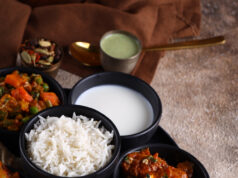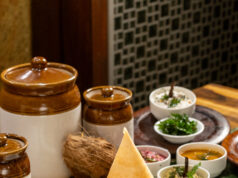


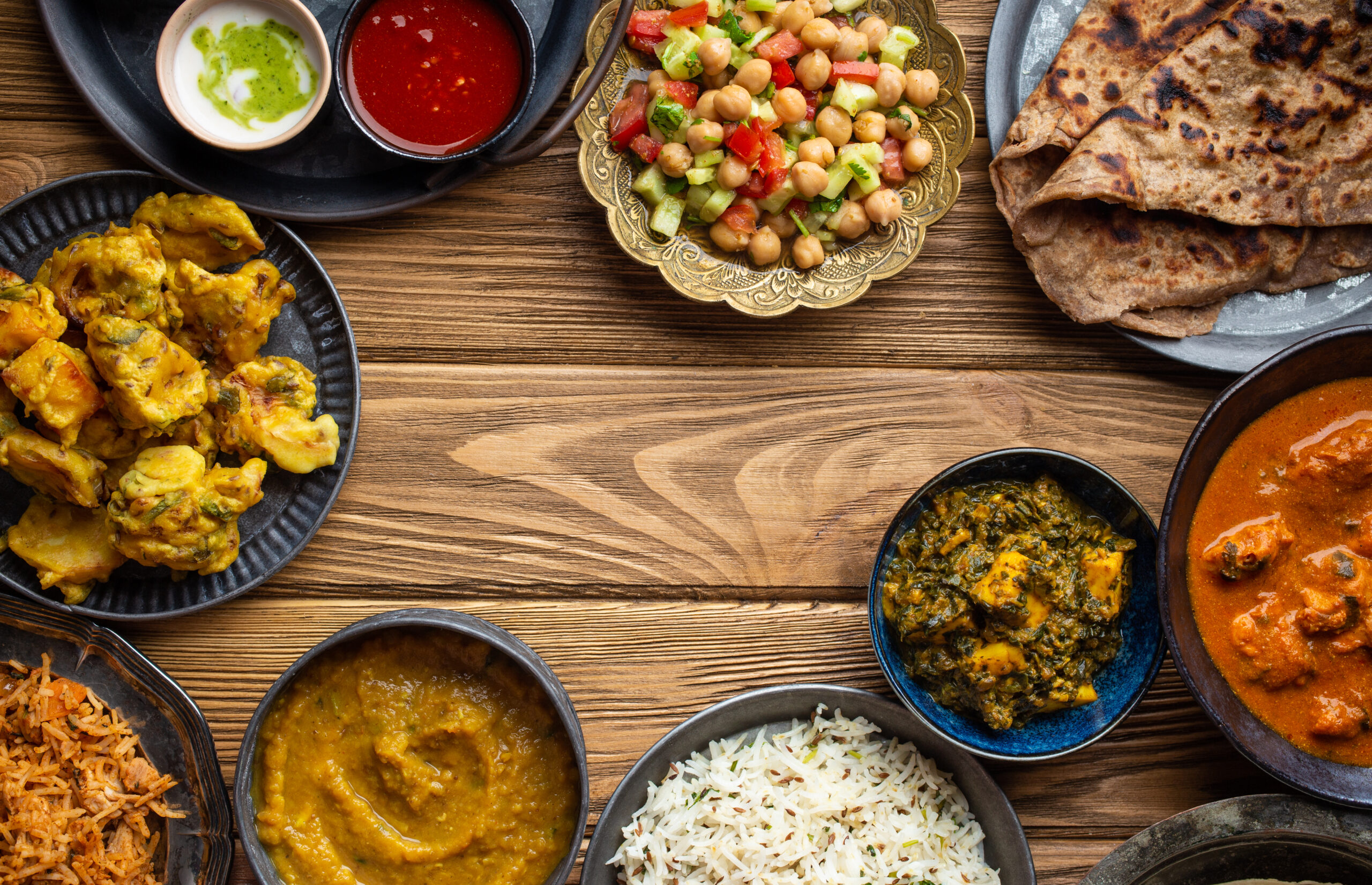
The aura of Dashain is undeniably distinctive. The morning fragrance of goat curry, the tunes of dhaki from the floor above, the tika in the forehead from the grandparents, the thriving noise of the numerous cousins arriving home from either end of the country. Celebrating Dashain isn’t possible without its central aspect “Food”. Sharing a generous plate with family is one of the deepest expressions of love and blessing in our culture.
The silver lining in all of this is that there is no inherent conflict in indulging in Dashain and being health-conscious; you will not have to avoid mutton curry and say a firm “no” to sel roti in order to be healthy. A few smart decisions will help you to enjoy the decadence of this season and have consistent energy through the weeks of celebrations, all the while feeling like your normal self when Tihar rolls around. Think of it less as a diet and more as a little wisdom stirred into tradition.
The Meat-Eater’s Dilemma
If you belong to a family that consumes non-vegetarian food, Dashain will seem incomplete without meat – goat curry, sukuti, pakku and mutton made in a dozen different ways in a dozen different homes. Well, there’s no need to feel guilty about it. You don’t need to cut down on red meat completely, but consume it more wisely.
Balance the plate, not just portion control: A good rule of thumb is to fill at least half your plate with saag, seasonal vegetables or fresh achar along with the curry and rice. Greens and vegetables are high in fibre, which slows down digestion, keeps you feeling fuller for longer, and balances the ‘heaviness’ of the meat. When cooking for guests, just add in double the saag or whip up an extra vegetable dish. This helps everyone within reach to naturally create a more balanced plate without even realising it!
Most “traditional” curries start with a pool of oil, but as long you develop and build up flavours, you can do just as much with it using far less oil then the exact curry. For the base (onions, garlic and ginger), allow them to simmer longer to get mellow and caramalized, add oil in stages where possible and often, you will find you need far less than the actual recipe. For pakku or fried items, try air-frying or baking. Even air-frying one meal item or one dish makes a huge difference when you apply this over two weeks of celebrating!
Marinate smart: A marinate made from yogurt, garlic, ginger, cumin and a hint of mustard oil perfectly tenderises the meat and reduces the need for excess oil while cooking. It’s a small switch that keeps sukuti and roasted meats flavourful without heaviness.
Food safety matters most during Dashain. Simple steps such as refrigerating raw meat separately, packing raw meat separately from other food items, not letting any curry for more than two hours in room temperature, heating leftover meals thoroughly (should be steaming hot and not just warm) can ensure the safety of your family from food poisoning. If you opt to make sukuti at home, ensure that it is prepared by completely dehydrating the meat in a clean and well-ventilated place. Once it is done, keep it in an airtight container. When in doubt of any food that you think has been lying around for too long, it is always better to waste the food than risk the health of your family.
Chiura, Sel Roti, and Sweets
Beaten rice, sel roti, and festive sweets are incredibly quick carbohydrates. Our body processes them quickly causing blood sugar spike and subsequent crash if they are consumed in isolation which can cause fatigue and another hunger pang to hit in a few hours. The simple way to fix this is to pair them , not avoid. Your chiura should ideally be had with dahi, boiled egg, or mutton curry on the side, instead of eating it plain. The protein and fat work together for slow-release energy. This same logic goes for your sel roti: eat it with achar and your protein-rich curry, instead of finishing three or four pieces by itself. However, if you go for sweets, try to take them after your ‘main course’ instead of before, or even on empty stomachs. This helps because blood sugar levels are more stable at this point.
Hydration and Alcohol
Celebration, travel, parties and afternoon fun; it’s definitely easy to lose track of how much water we are taking in especially if there is a ready flow of alcohol, beer and soda in many of our gatherings. One easy tip? Always drink a full glass of water first between any drink you choose -be it an alcoholic beverage or a carbonated soft drink. This will not only help you beat that dehydration headache and body fatigue during and after a long day of partying. This will also help you cut down on how many more drinks you take as water naturally fills you up. Other than that, if available, every now and then switch a regular soda with zero sugar or diet version of it. Little adjustments here and there can make a big impact over a multiple of days in celebration.
Mindful Celebration
And the final but probably the most important thing to remember is that Dashain is not about how full your plate is but how much tika you wear on your forehead, how much blessings you receive from the elders and how much noise you make while sharing the delicious food with your loved ones. This festive season, try to eat a little slower than usual, enjoy every bite of it and be mindful to your body and its feelings instead of mindlessly filling out your plate just because it is usual or out of politeness.
Wishing You a Joyful, Healthy Dashain
RUBINA KARKI
Your chiura should ideally be had with dahi, boiled egg, or mutton curry on the side, and sel-roti with achaar or curry, instead of eating it plain. The protein and fat work together for slow-release energy.
Rubina Karki
Dietitian, lecturer, and PhD scholar in Nutrition. She holds a Master of Science degree in Nutrition and Dietetics and currently pursuing PhD in Nutrition. Founder: NutriFyNinja.