

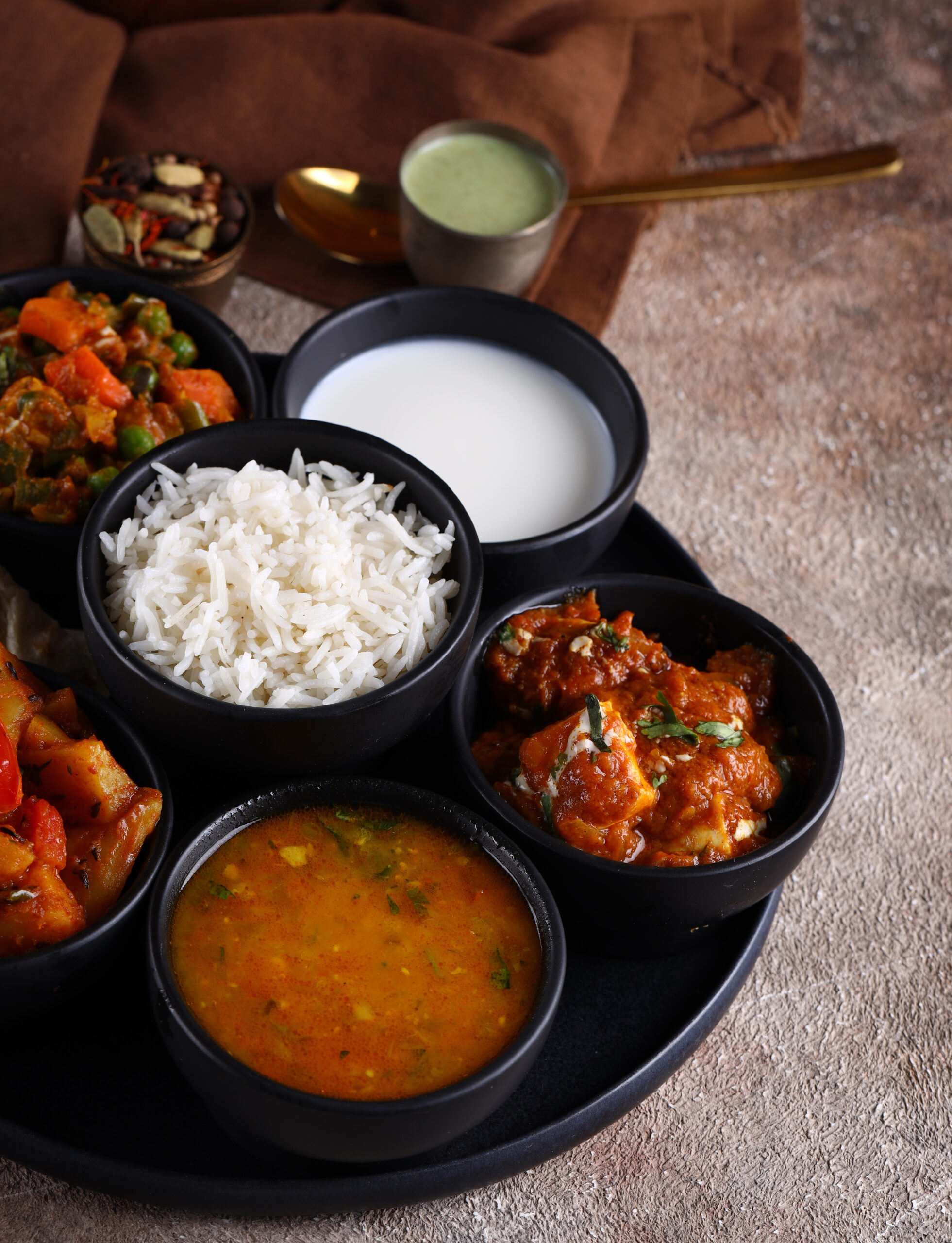
Every festival brings more than food to the table; it brings memories. The aroma of sel roti, slow-cooked curries, homemade sweets passed down through generations, family members gathering after months apart, and recipes that remind us of childhood.
Yet for many people today, these moments of joy are interrupted by an internal dialogue: Should I eat this? Will I gain weight? I will have to work it off tomorrow.
Somewhere along the way, celebration has become tangled with guilt. But perhaps this festive season, it’s time to nourish not just the body, but our relationship with food itself.
How can we shift our mindset from “avoiding festive foods” to building a healthier relationship with them?
Instead of simply saying “don’t avoid festive foods,” introduce food flexibility. Festivals are meant to be experienced, not calculated. Rather than asking “What should I avoid?, ask “How can I enjoy this meal mindfully?” Slow down, savour traditional dishes, eat until comfortably satisfied, and let the celebration, not calorie counting, be the focus. One festive meal doesn’t define your health, just as one workout doesn’t define your fitness.
Why do so many people experience guilt after enjoying traditional festive foods?
Food has no moral value. A piece of sel roti isn’t “bad,” just as a salad isn’t “good.” They are simply different foods that serve different purposes; one may nourish tradition and joy, another may nourish everyday health. Both can have a place in a balanced lifestyle.
Research consistently shows women report higher levels of food-related guilt than men. Reasons include:
• Body image pressures
• Diet culture
• Social expectations Thinness ideals
Women, in particular, are often encouraged to “earn” their food or compensate for indulgence. time, this can turn celebrations into a mental negotiation rather than a joyful experience. Health should never require guilt to be effective.
Which festive foods deserve more appreciation, and how can families enjoy them in a balanced way?
Many of the Dashain dishes are built around whole grains, pulses, vegetables, fermented foods, dairy, nuts and locally sourced meats. The issue is rarely that a traditional food is inherently unhealthy; it is more often the quantity, cooking method, frequency and overall combination of the meal that determine how it fits into a balanced diet.
• Kwati: A mix of sprouted beans and legumes, providing plant protein, fibre, iron and folate. Enjoy: as a nourishing soup or alongside a balanced meal.
• Dal-Bhat: A combination of rice and lentils provides carbohydrates, plant protein and fibre. Enjoy: add plenty of vegetables, greens and a moderate portion of rice.
• Khasi ko Masu (Goat Meat): A good source of high-quality protein, iron, zinc and vitamin B12. Enjoy: choose a moderate portion and go easy on excess oil and gravy.
• Dahi (Curd): Provides protein, calcium and, when containing live cultures, beneficial bacteria. Enjoy: choose plain curd rather than heavily sweetened versions.
• Chiura (Beaten Rice): An easily digestible carbohydrate and traditional staple. Enjoy: pair it with protein such as curd, eggs, legumes, meat or nuts rather than eating it alone.
• Achar: Tomato, radish, sesame, timur and other traditional ingredients add flavour and phytonutrients. Enjoy: use it as a flavourful accompaniment, keeping very salty or oily varieties moderate.
• Sel Roti: Traditionally made from rice flour and fried, making it energy-dense, but that doesn’t make it “bad.” Enjoy: have a portion mindfully as a festive food rather than treating it as an everyday staple.
• Kheer & Festive Sweets: Rich in energy and sugar, but also part of the cultural celebration. Enjoy: choose your favourites, savour them slowly, and don’t feel the need to sample everything.
The Dashain Rule I Give My Clients:
I would rather see someone enjoy their favourite festive food mindfully and without guilt than spend the entire celebration trying to be “perfect,” become excessively hungry, overeat later and then compensate with another restrictive diet.
A festive meal should leave you with a full stomach and a full heart.
Dashain is ultimately about family, gratitude, tradition and togetherness. The food is part of that story. We don’t need to remove the food to make the celebration healthy; we simply need to bring awareness, balance and enjoyment back to the table.
Festival Rituals
• Don’t arrive at the feast starving. Eat your regular meals through the day so you can enjoy the feast without feeling ravenously hungry.
• Build your plate before reaching for seconds. Start with protein, vegetables and traditional staples, then add the festive foods you genuinely want to enjoy.
• Choose your favourites. You don’t need to eat every dish just because it’s available. Pick the foods that make the celebration special for you.
• Slow down and savour. Eat mindfully, enjoy the flavours and conversation, and give your body time to register fullness.
• Keep portions comfortable, not perfect. A smaller serving of several favourites can be more satisfying than one huge plate.
• Stay hydrated. Keep water nearby throughout the day, particularly between meals and during family gatherings.
• Balance richer meals with lighter ones. If lunch is indulgent, let dinner be simpler; there is no need to fast or skip meals.
• Take a family walk after meals. A gentle 10-20 minute walk can support digestion and post-meal blood-sugar regulation while creating family time.
• Don’t “burn off” what you ate. Movement should be about feeling good, not punishment for enjoying festive food.
• Return to your normal routine the next day. No detox, fasting or extreme restriction is required. Simply go back to your usual balanced meals, movement and sleep.
Many people try to “save calories” before a feast or compensate with extreme dieting afterwards. Is this approach helpful, or can it do more harm than good? What would you recommend instead?
Skipping meals to “save calories” often sets you up to arrive at the feast extremely hungry, making it much harder to eat slowly and recognise when you are comfortably full. You may end up eating faster, choosing more calorie-dense foods and eating beyond satisfaction.
The same applies to the next-day “punishment” skipping breakfast, fasting excessively, doing hours of cardio, or surviving on juices and salads. This can reinforce a restrict → overeat → guilt → restrict cycle rather than creating a healthy relationship with food.
Have a balanced breakfast and lunch with protein, fibre and healthy fats. Don’t try to create a calorie deficit before a single meal.
Dashain Myths vs Facts
MYTH 1: “I should skip breakfast and lunch if I have a big feast at night.”
FACT: Arriving extremely hungry can make it harder to eat mindfully and may encourage overeating. Eat normally through the day and arrive comfortably hungry, not starving.
MYTH 2: “One festive meal will make me gain fat.”
FACT: Body weight can fluctuate temporarily after a salty or carbohydrate-rich meal because of water and glycogen changes. Meaningful fat gain comes from a sustained energy surplus over time, not one celebration.
MYTH 3: “I need to detox or fast the next day.”
FACT: Your liver and kidneys already handle detoxification. After a heavy meal, simply return to regular balanced meals, hydrate well, sleep and resume normal activity. Walks help.
MYTH 4: “Sweets and sel roti are completely unhealthy.”
FACT: They are energy-dense festive foods, but that doesn’t make them forbidden. Portion, frequency and your overall dietary pattern matter far more than one occasional serving.
MYTH 5: “I have to burn off what I ate.”
FACT: Exercise shouldn’t be punishment for eating. A gentle post-meal walk can support digestion and blood-sugar management, but you don’t need to “earn” or “erase” your food create a calorie deficit before a single meal.
Sonal Talegaonkar
omato, radish, sesame, timur and other traditional ingredients add flavour and phytonutrients. Enjoy: use it as a flavourful accompaniment, keeping very salty or oily varieties moderate.
Ms. Sonal Talegaonkar
Sonal’s Nutrofit | Clinical Nutritionist
Whatsapp:
+91 9967707376
+977 9861556858
(Post-graduation in Clinical Nutrition, Mumbai University, India) Find us on Instagram & Facebook (sonalsnutrofit)