


A Journey Through the Nine Forms of Shakti
By Medina Joshi
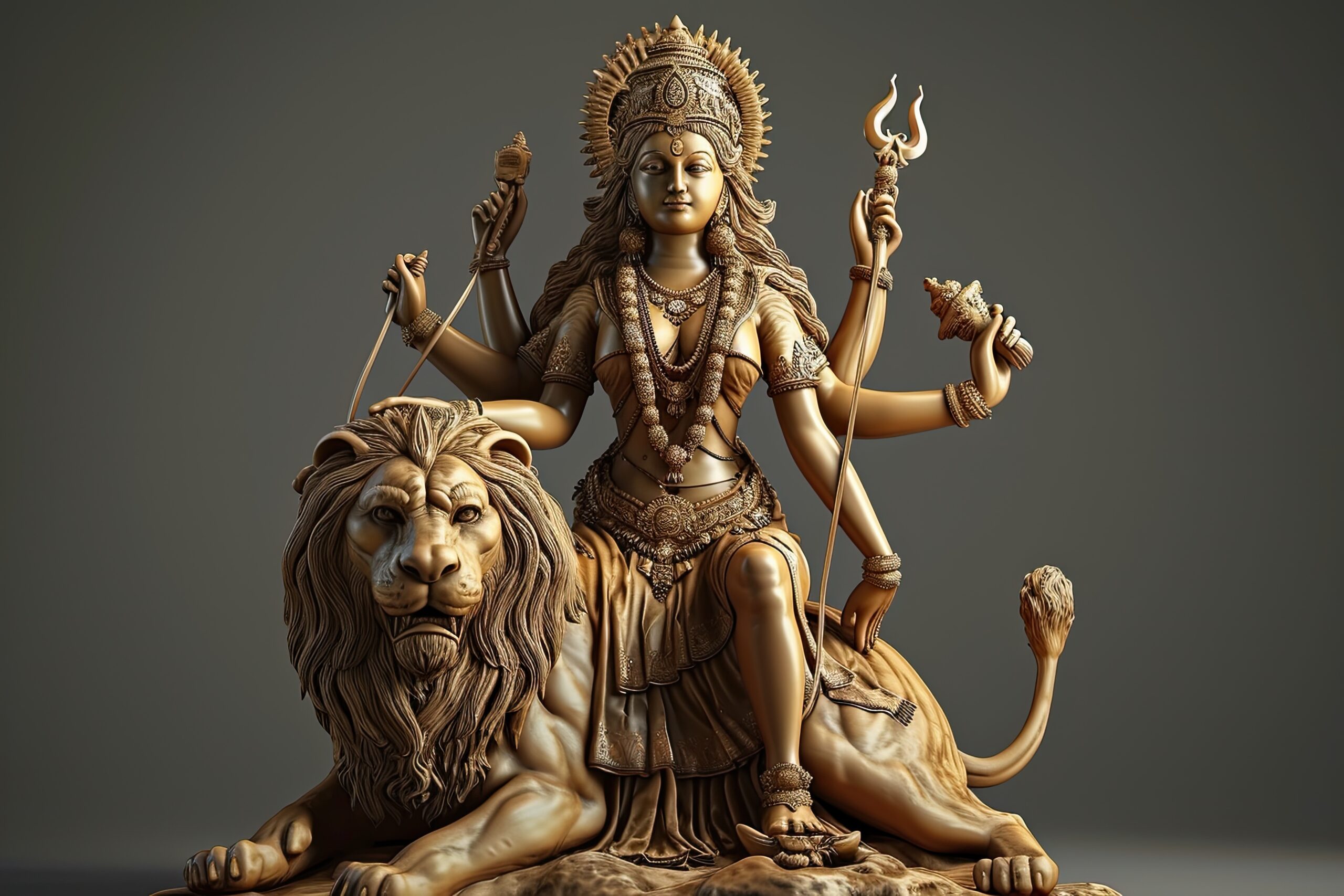
Dashain is Nepal’s most celebrated festival, a time when families gather for tika, jamara and blessings. Beyond the rituals, the festival’s first nine days-Navaratri-invite a deeper, inward journey. Navaratri is dedicated to Shakti, the divine feminine energy that animates creation, protection and transformation. The nine forms of Durga: Shailaputri, Brahmacharini, Chandraghanta, Kushmanda, Skandamata, Katyayani, Kalaratri, Mahagauri and Siddhidatri, symbolizes different dimensions of this powerful energy.
The mythic battle between Durga and Mahishasura becomes an inner allegory: the struggle to overcome anger, ego, fear, greed and attachment with steadiness, courage and compassion. Navaratri is therefore both worship and a practical invitation to cultivate the qualities needed to navigate life’s challenges.
Day One – Shailaputri: Find Your Foundation
Shailaputri, the “Daughter of the Mountain,” is the first form of Goddess Durga worshipped during Navaratri. Identified with Parvati and seen as the rebirth of Sati, she symbolizes strength, steadiness and grounding. Shailaputri, riding Nandi the bull and holding a trident and lotus, symbolizes strength, stability, determination, grounding, and purity at the beginning of the Navaratri journey. Her mountain imagery reflects stability amid life’s changes. As the opening step of the spiritual journey, Shailaputri teaches that before seeking higher knowledge or transformation, we must cultivate inner stability and resilience.
Day Two – Brahmacharini: The Strength of Discipline
Brahmacharini, the second form of Durga, symbolizes devotion, simplicity and spiritual discipline. She is Parvati in her phase of intense penance to attain Shiva, depicted walking barefoot with a rosary and water pot. Her austere form highlights patience, perseverance and unwavering faith. Brahmacharini teaches that transformation requires consistent effort. Enthusiasm may start the journey, but perseverance sustains it. Her message is clear: whether in spiritual, personal or professional life, discipline and commitment are the keys to meaningful growth.
Day Three – Chandraghanta: Courage with A Calm Mind
Chandraghanta, worshipped on the third day of Navaratri, represents the union of courage and serenity. Her name combines Chandra (moon) and Ghanta (bell), symbolizing a calm, steady mind that resonates with strength. Depicted with a crescent moon on her forehead, riding a lion and armed with weapons, she appears fierce but embodies protective energy. After her marriage to Shiva, she takes on this warrior form to safeguard righteousness and dispel fear. Chandraghanta teaches that while external circumstances may be beyond our control, we can master our responses. Her weapons symbolize inner tools-awareness, resilience, and emotional steadiness that help us face criticism, conflict, and anxiety without losing balance. She reminds us that true courage is not reckless aggression but the ability to act decisively while maintaining inner peace.
Day Four – Kushmanda: The Power To Create Light
Kushmanda, worshipped on the fourth day of Navaratri, is revered as the radiant creator of the universe. Her name, derived from Ku (small), Ushma (warmth/energy), and Anda (cosmic egg), symbolizes her role as the source of cosmic energy and light. Depicted with eight arms (hence called Ashtabhuja Devi), she rides a lion and carries objects such as a bow, arrow, lotus, discus, mace, nectar jar, rosary, and water pot-each representing qualities like courage, wisdom, compassion, and spiritual awareness. Kushmanda embodies abundant divine energy, creativity, and protection, reminding us that we too are creators through our thoughts, words, and actions. Her eight arms symbolize the many responsibilities and virtues we must balance in life. She teaches that positive energy builds confidence and harmony, while negativity creates tension, making her a guide for conscious, life-affirming creation.
Day Five – Skandamata: Strength Through Compassion
Skandamata, worshipped on the fifth day of Navaratri, embodies the nurturing and protective power of motherhood. As the mother of Skanda (Kartikeya), she is depicted seated on a lion, holding her child in her lap, with two hands carrying lotuses and one raised in blessing. This imagery unites courage and tenderness-the lion symbolizes strength and fearlessness, while the child represents love, care and vulnerability. Skandamata teaches that true strength is not only the ability to fight or overcome obstacles, but also the capacity to love, nurture and protect. Her Shakti extends beyond motherhood, reminding us that compassion is expressed whenever we support relationships, encourage growth, or protect those who depend on us. She highlights that gentleness and care are not weaknesses but powerful forms of inner resilience.
Day Six – Katyayani: Stand For What Is Right
Katyayani, worshipped on the sixth day of Navaratri, is one of the most powerful warrior forms of Goddess Durga. Born from the devotion of sage Katyayana, she emerged to defeat Mahishasura, symbolizing the triumph of Dharma over Adharma. Depicted riding a lion and armed with weapons, she embodies courage, strength, determination, righteousness and justice. Yet her message is not about aggression, it is about strength guided by wisdom. The lion represents raw power and instinct, while Katyayani herself represents the awareness and discipline needed to channel those forces constructively. She teaches that the greatest battles are often internal-against anger, ego, jealousy, greed and fear-and that true victory lies in overcoming these tendencies. Katyayani inspires us to stand firm for what is right, even when it is difficult, and to restore balance in our lives through moral courage and righteous action.
Day Seven – Kalaratri: Face The Inner Darkness
Kalaratri, worshipped on the seventh day of Navaratri, is the fiercest and most misunderstood form of Durga. Her name means “the dark night,” symbolizing the inner darkness we must confront before light can emerge. Though depicted with a terrifying appearance-dark complexion, dishevelled hair, riding a donkey, armed with a sword, she is revered as a protective mother who destroys fear, ignorance and negativity. Kalaratri’s energy teaches that spiritual growth is not always gentle; sometimes it requires facing the parts of ourselves we would rather avoid, such as anger, jealousy, insecurity or attachment. By acknowledging these tendencies, transformation becomes possible. Her fierce form is a reminder that fearlessness and courage are essential to remove obstacles and restore balance.
Day Eight – Mahagauri: Purification And Peace
Mahagauri, worshipped on the eighth day of Navaratri, represents serenity, renewal and the cleansing of both body and spirit. Her name means “Great Radiant One,” symbolizing the luminous purity that emerges after penance and purification. According to tradition, Parvati’s long austerities left her covered in dust until Shiva blessed her, restoring her radiant form as Mahagauri. She is depicted in white garments, riding a bull, carrying a trident and damaru, with hands offering blessings and protection. Mahagauri’s energy follows the fierce confrontation of Kalaratri, reminding us that once we face our inner darkness, we must release the past and make space for peace. She teaches forgiveness of others and ourselves as a way to free the emotional burdens of anger, guilt, resentment and regret. Her white form symbolizes clarity of thought, intention and action, encouraging harmony between what we think, say and do. Like cleansing our homes for Dashain, she inspires us to cleanse our inner space, making room for renewal and serenity.
Day Nine – Siddhidatri: Fulfilment And Wisdom
Siddhidatri, worshipped on the ninth day of Navaratri (Navami), marks the completion of the spiritual journey through the nine forms of Durga. Her name combines Siddhi (spiritual accomplishment) and Datri (giver), signifying her role as the bestower of wisdom, fulfilment and extraordinary attainments. Depicted seated on a lotus, with four arms holding a mace, discus, conch and lotus, she embodies the culmination of discipline, courage, compassion and purification. Traditional accounts describe her granting siddhis to gods, sages and devotees, and even Lord Shiva receiving spiritual powers through her grace-symbolizing the union of Shakti and Shiva as the completeness of energy and consciousness. Siddhidatri reminds us that true fulfilment is not simply achieving desires, but attaining peace, contentment and self-mastery. Her presence teaches that the nine days of Navaratri are a gradual inner journey-beginning with grounding and discipline, moving through courage, creativity, compassion and purification, and ending with wisdom and inner freedom.
Navaratri’s nine forms are more than mythic figures; they are living archetypes that guide inner transformation. Each form of Durga offers a lesson in grounding, discipline, courage, creativity, compassion, righteousness, fearlessness, purification and wisdom, guiding us toward balance and strength. The victory celebrated on Vijaya Dashami is therefore not merely triumph over external forces, but the overcoming of our own anger, fear, ego and negativity. In this way, Dashain becomes more than ritual; it is a profound journey of self-discovery and a living reminder that the divine Shakti we worship also resides within us, empowering us to live with clarity, resilience and compassion.
MEDINA JOSHI
Astrology & Vaastu Consultant. With four years of experience and expertise in Vaastu, she blends traditional wisdom with a practical modern approach to guide families and individuals through clarity and balance.