


By Sneha Agrawal
We all have patterns of thinking and behaving that we repeat every day. Some support us but others hold us back. You might find yourself overthinking, avoiding situations, or saying things like, “I always mess things up.” Over time, these thoughts start to feel like facts.
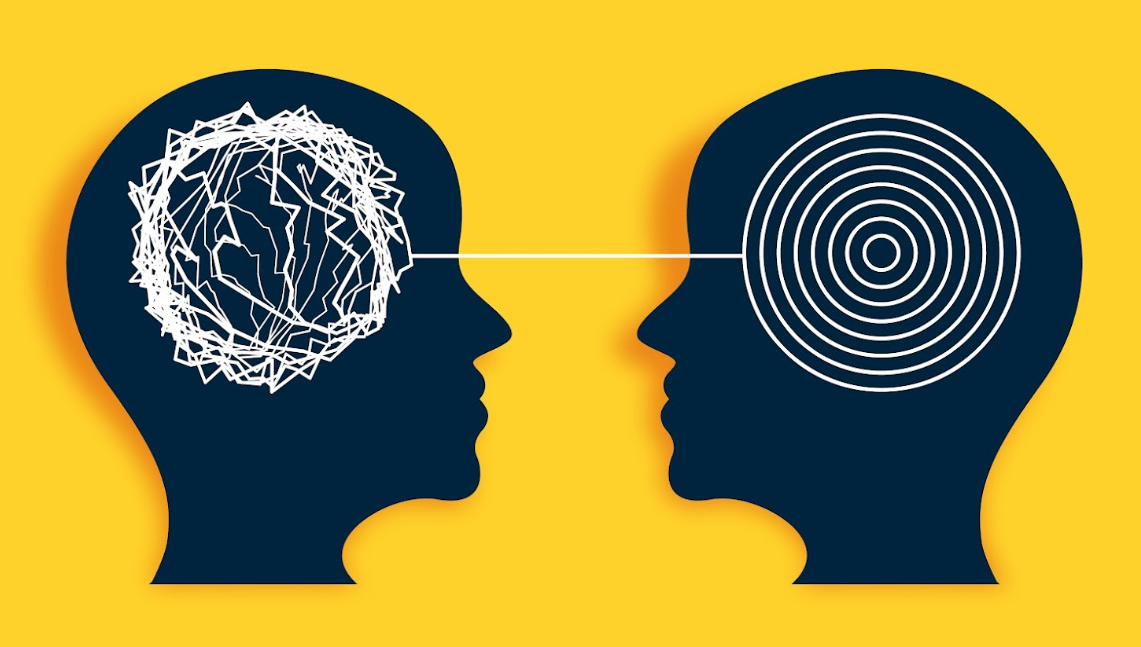
These patterns aren’t random, they’re learned. And when left unchallenged, they can trap us in a cycle of negative thoughts, difficult emotions, and unhelpful actions.
The good news? These patterns can be changed.
Cognitive Behavioral Therapy (CBT) offers practical, evidence-based tools to help you break these cycles and build healthier ways of thinking and living. At its core, CBT is based on a simple idea:
“Our thoughts, emotions, and behaviors are deeply connected.”
When we change one, especially our thoughts, we influence the others.
Old patterns feel automatic. CBT helps bring them into awareness and replace them with more balanced, constructive responses.
What CBT Helps You Do
CBT focuses on helping you:
• Recognize unhelpful thought patterns
• Understand how they affect your emotions and behavior
• Challenge and reframe negative thinking
• Practice healthier responses in real life
These are lifelong skills you can continue using beyond therapy.
” And if it ever feels too heavy to handle alone, reaching out for support is not a weakness, it’s a step towards and understnading and growth.”
Sneha Agrawal
Where CBT Can Help
CBT is useful for everyday challenges as well as deeper struggles, such as:
• Managing anxiety, stress, or overwhelming emotions
• Coping with grief
• Handling conflict and improving communication
• Building assertiveness
• Supporting relationship and emotional well-being
• Managing mental health conditions or preventing relapse
Simple CBT Techniques You Can Start Using
Notice Your Thoughts
Pause and ask: “What am I thinking right
now?”
Awareness is the first step to change.
Challenge Unhelpful Thoughts
Not every thought is true.
Ask: “Is there another way to see this?”
Test Your Beliefs
Try small experiments.
Example: Speak up once and observe what actually happens.
Reduce Avoidance
Avoidance keeps patterns alive.
Take small, manageable steps toward what you usually avoid.
Create Distance from Thoughts
Say: “I am having the thought that…”
This helps you not get overwhelmed by it.
Shift Core Beliefs
Notice deeper beliefs like “I’m not enough.”
Gradually replace them with healthier, more balanced ones.
Break the Habit Loop
Identify: Trigger → Action → Outcome
Then consciously choose a different response.
Practice Self-Compassion
Change doesn’t happen through criticism.
Be patient and kind to yourself.
The patterns you struggle with today are not permanent, they are learned, which means they can be unlearned.
Real change doesn’t happen overnight. It starts small: noticing a thought, questioning it, choosing a different action. Over time, these small steps can transform the way you think, feel, and live.
And if it ever feels too heavy to handle alone, reaching out for support is not a weakness, it’s a step toward understanding and growth.
Change is possible. And it can begin with just one new thought.
“Your thoughts are not facts, they are stories you can rewrite.”