
Spotlight on Rising Homegrown Brands
Forget the idea that good fashion only comes from abroad. Nepal’s fashion scene is experiencing a refreshing shift, led not by foreign influence but by creators and entrepreneurs at home. Once dominated by export-oriented factories, Nepal’s garment sector is now entering a new phase where local brands play an active role in offering choices to the customer. Designers and entrepreneurs are investing in better fabrics, fit, and quality control, pushing the industry toward more structured production and modern retail experiences. Nepal’s garment industry has long been known for its craftsmanship and skilled labor, but it is now evolving beyond traditional production. With better design awareness, improved manufacturing practices, and growing consumer trust in local brands, the industry is slowly shifting from a manufacturing base to a creator-driven ecosystem.
ZOOT
Quick Questions
What’s the most Nepali thing about Zoot?
The brand name zoot, it itself is a nepali word jut.
If Zoot were a person, what would he wear on a first date?
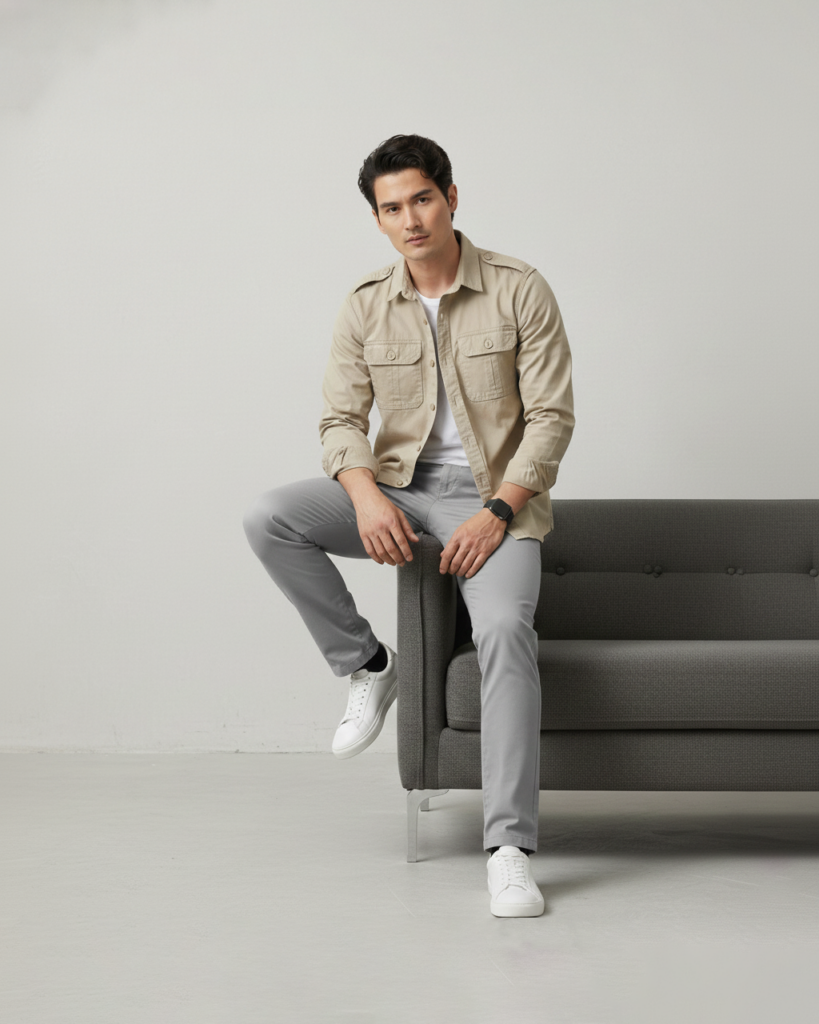
He would wear a hooded denim jacket paired with tailored chinos and fresh white sneakers
One item from your collection every guy needs in his wardrobe?
Bomber Jacket; it best suits casual as well as semi-formal style.
Most memorable customer?
We had one customer who was super delighted and surprised when we approved an exchange for him five days after the standard return time. it validated our core belief: that offering a level of personal touch and service.
Find them:
https://zoot.com.np/
Zoot is not just a fashion brand. It’s a philosophy built for the urban modern man. Zoot believes that true style is not just about what you wear, it’s about the values you carry and what you stand for. We celebrate this duality of aspiration and authenticity as the core of our vision. We blend classic, minimalist aesthetics with modern sensibilities and Nepali craftsmanship designed for modern men aged 25 to 45
Founder
Shyam Ratna Mali is the entrepreneur behind Zoot, a digital-first menswear brand redefining the modern Nepali man’s wardrobe. With a background in branding, digital marketing, and creative design, he brings strategic clarity and creative insight to the label, shaped by his experience with leading Nepali companies and brand consulting work.
What was the original spark behind Zoot?
We believe that fashion is not just about what you wear, or just a functional clothing, it’s about the values you carry and what you stand for and way to express yourself. We saw a gap in market; menswear was polarized: it was either strictly formal or purely streetwear. There was nothing in the middle ground. We bridge this gap.
What styles are men What have you learned from the D2C experience so far?
We’ve learned that Nepali consumers are seeking value, not just products, in a highly price-sensitive market. Our D2C experience shows a growing group of men willing to invest in a Nepali brand when quality matches its promise. The direct feedback loop allows us to understand their needs in real time, and by respecting their intelligence and delivering genuine quality, customers don’t just purchase—they become advocates. We continuously refine our strategy based on this trust.
What do you find most challenging about local production?
Nepal’s textile ecosystem is still developing. We need to rely heavily on imported raw materials. Consistency of fabric is also another hurdle.
How do your curate your collection?
Our desigh process is quite democratic. We don’t just sit in a room and follow the trend. We believe in a feedback first approach. We build samples and put them directly in from of our customer persona. We test the fit, feel and the reaction before we go into production.
We focus on timelessness over trends. We blend minimalist aesthetics with modern Nepali sensibilities to create pieces.
What has been your biggest “pinch-me moment” since starting the brand?
It was a specific DM I received from a customer. He didn’t just write to say he liked the product; he wrote to ask if he could open a Zoot franchise in his hometown. That was a massive realization for me. At a time when we were worried about getting just one order, here was a customer who believed in the brand so much that he wanted to be a part of it.
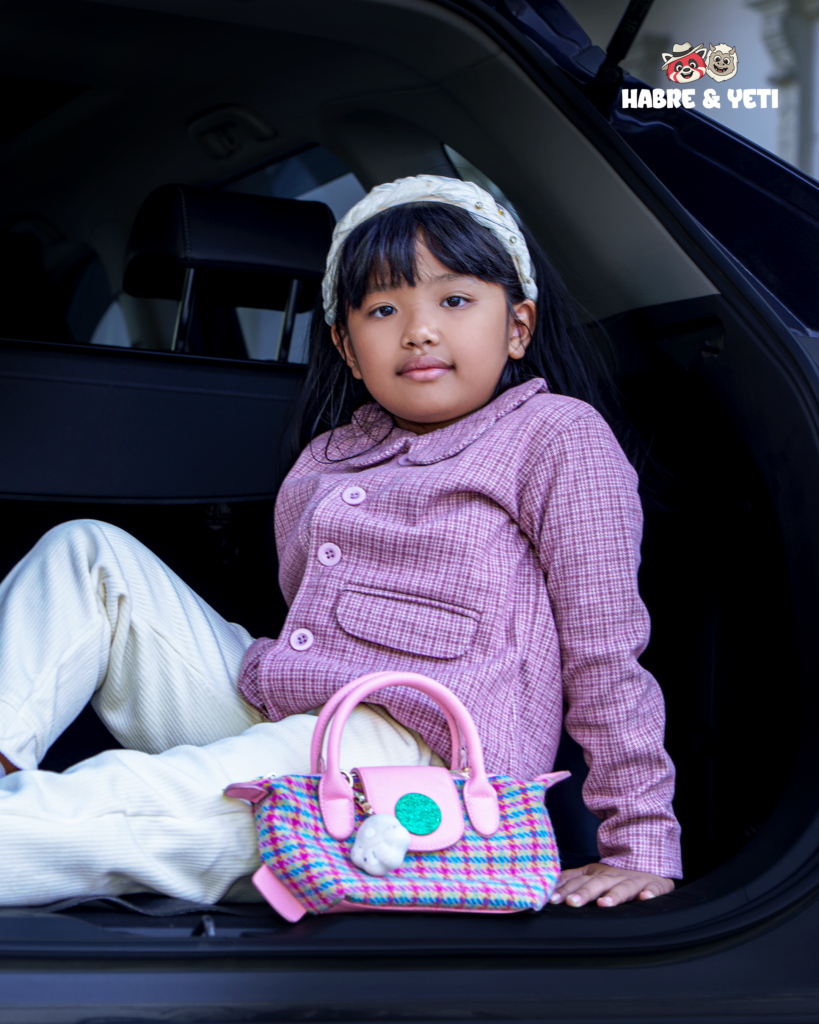
HABRE AND YETI
Quick Questions
Which age group is the hardest to design for?
Kids aged 12 to 13, as they start becoming more particular about their outfits.
One item parents always come back for?
Parents often come back for our cotton basics liker T-shirts, sweatshirts, joggers, and sweaters for their comfort, quality, and everyday usability.
What are the biggest costs for your brand?
Pre-production, sampling, keeping stock, and spreading the word to keep going!
Habre and Yeti was born from imagination and Upendra’s passion to create clothing that nurtures children’s comfort, individuality, and creativity. More than a clothing line, it is a vision that celebrates childhood—allowing kids to explore, dream, and express themselves freely in garments that feel as good as they look. Designed with premium, comfortable, and durable fabrics, the brand offers stylish yet thoughtfully priced products for families seeking high-quality children’s wear that reflects Nepali heritage.
Upendra Manandhar
Upendra is the creative force and strategic founder behind Habre and Yeti, a kids’ clothing brand shaped by his diverse professional journey. Beginning in event management and FMCG promotions, he gained deep insights into consumer engagement and brand storytelling, which inform the brand’s vibrant, community-driven identity. His experience in banking added an analytical and structured approach, helping him balance creativity with data and growth with responsibility—values that now guide Habre and Yeti’s focus on quality, safety, and sustainability.
What inspired you to start a kids-only label in Nepal?
As a parent of two, I experienced firsthand a clear gap in the kidswear market. High-quality clothing was often overpriced, while mid-range options struggled with poor fabric quality, inconsistent sizing, and limited twinning choices. These challenges inspired me to create a brand that delivers stylish, well-made, and affordable clothing for children.H
How did you come up with the brand name?
As a proudly Nepali brand, we integrated the two iconic Himalayan animals. “The Habre, or Red Panda, representing gentleness, comfort and warmth and “Yeti” symbolizing adventure, imagination and fearless spirit. Together they tell the story of every child: tender at heart, brave in dreams.
How do you select fabrics?
Fabric selection is our top priority since we’re designing for children. First, the material must be soft and gentle on the skin. Second, we avoid chemically treated fabrics and instead use a softener wash to ensure comfort and safety.
What are your biggest wins since launch?
Some of our biggest wins include strong customer loyalty with repeat purchases, selling out our entire collection solely through our store without any marketing, and a particularly exciting moment when a customer loved our design so much that they took our T-shirts to Europe to resell them.Currently, our focus is on comfortable, everyday basics rather than fashion or party wear.
Find them:
https://habreandyeti.com/
T’S ARMOIRE
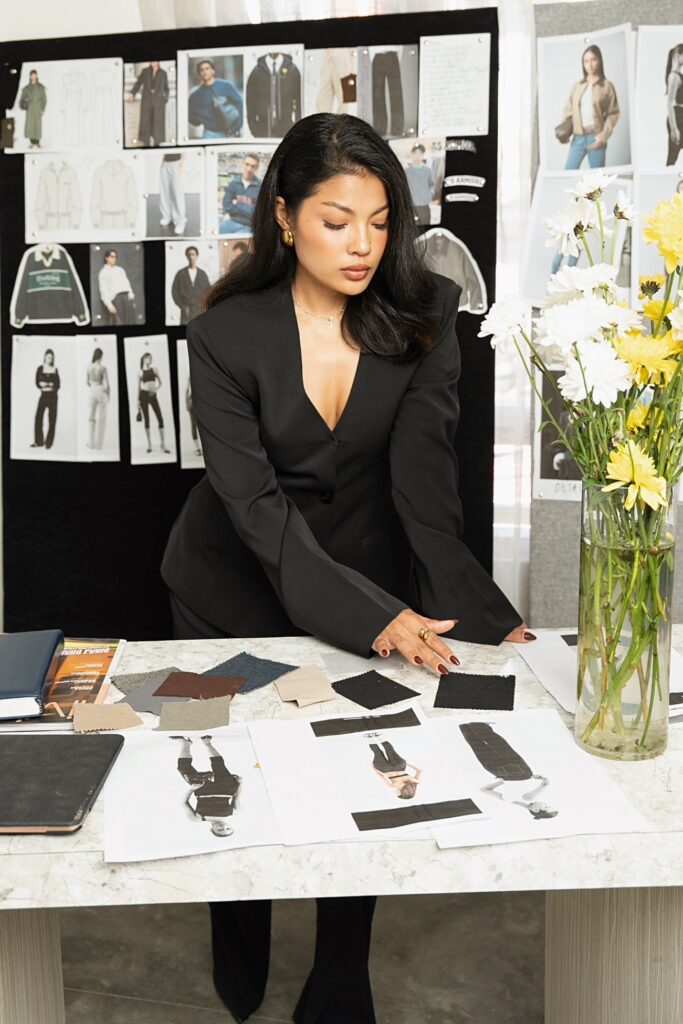
Founded in 2017 by Deeya Tamang, T’s Armoire was created to design fashion that inspires confidence and effortless style. The name “Armoire,” meaning wardrobe in French, reflects the brand’s focus on versatile pieces for everyday wear and special occasions. Produced locally in Lalitpur, the brand is known for modern sophistication, timeless silhouettes, and elevated basics, and has grown into one of Nepal’s most loved fashion labels through its authenticity, refined design, and commitment to quality.
Deeya Tamang
Deeya Tamang, founded T’s Armoire in 2017 with a vision to create fashion that inspires confidence and effortless style, drawing inspiration from London’s fashion scene. Building the brand from the ground up, she focused on elevated basics, versatile designs, and quality craftsmanship, taking a hands-on role across design, marketing, and customer experience to ensure every detail reflected her vision.
Find them
https://tsarmoire.com/
T’s Armoire started in 2017. What was the turning point where you felt, “Yes, this can grow”?
There wasn’t one perfect moment. But every time a customer came back, every time something sold out, and every time someone told us they loved the fit and quality, that’s when I knew this brand could grow.
How do you approach designing for Nepali women considering diverse body types and preferences?
For me, designing for Nepali women means paying attention to real bodies, not just standard measurements. We listen to customer feedback, we test our pieces on different body shapes, and we adjust the fit until it feels right. Nepali women are diverse, so our goal is simple: make clothes that feel good, fit well, and give confidence. That’s always the starting point.
You operate both online and in-store. How do the two experiences differ in customer behavior?
Online shoppers usually know exactly what they want, they browse and make quick decisions. In-store, the experience is more personal; customers take time to feel fabrics, try different fits, and explore styling options with us. The store allows for deeper interaction and trust building, while online brings convenience and reach. Both channels complement each other and help us understand different customer journeys.
What do you want customers to feel when they wear T’s Armoire?
I want everyone wearing T’s Armoire to feel confident, comfortable, empowered, and proud to wear a homegrown brand.
A product or collection that surprised you with its success?
While many of our pieces perform well, the OGs jeans consistently stand out. Featuring our classic T’s Armoire logo on the back pocket, they have been a customer favorite for the past three years and sell out every time they’re back in stock. I’m confident this will remain one of our signature styles for years to come.
Quick Questions
Your “most you” outfit from your own collection
Any T’s Armoire jeans paired with one of our basics.
Go-to fabric for comfort and confidence
Premium denim. It’s the fabric I trust the most. It’s also the foundation of T’s Armoire, so it reflects both my personal and brand ethos.
What trend are you secretly over?
Burgundy … it’s had its moment.