


By Sonal Talegaonkar
Ever wondered why cold and flu season hits us exactly when the temperature drops? While we’re busy piling on sweaters and sipping endless cups of herbal tea, our immune system is quietly fighting a tougher battle and what we eat can decide who wins.
Let’s understand the science in simple words:
In winter, your body undergoes a few natural stressors:
• Temperature drops → More energy is used to stay warm
• Less sunlight → Lower Vitamin D levels
• Higher viral load in the environment → Flu, colds, infections spread faster
• Appetite & cravings change → More cravings for comfort foods, less fruits/veggies
• Because of this, your immune system needs better raw materials (nutrients) to stay resilient.
Vitamin D isn’t just about sunlight, it needs healthy fats for absorption, magnesium for activation, and nutrients like K2 and zinc to support mood and immunity. Without these partners, Vitamin D cannot perform at its full potential.
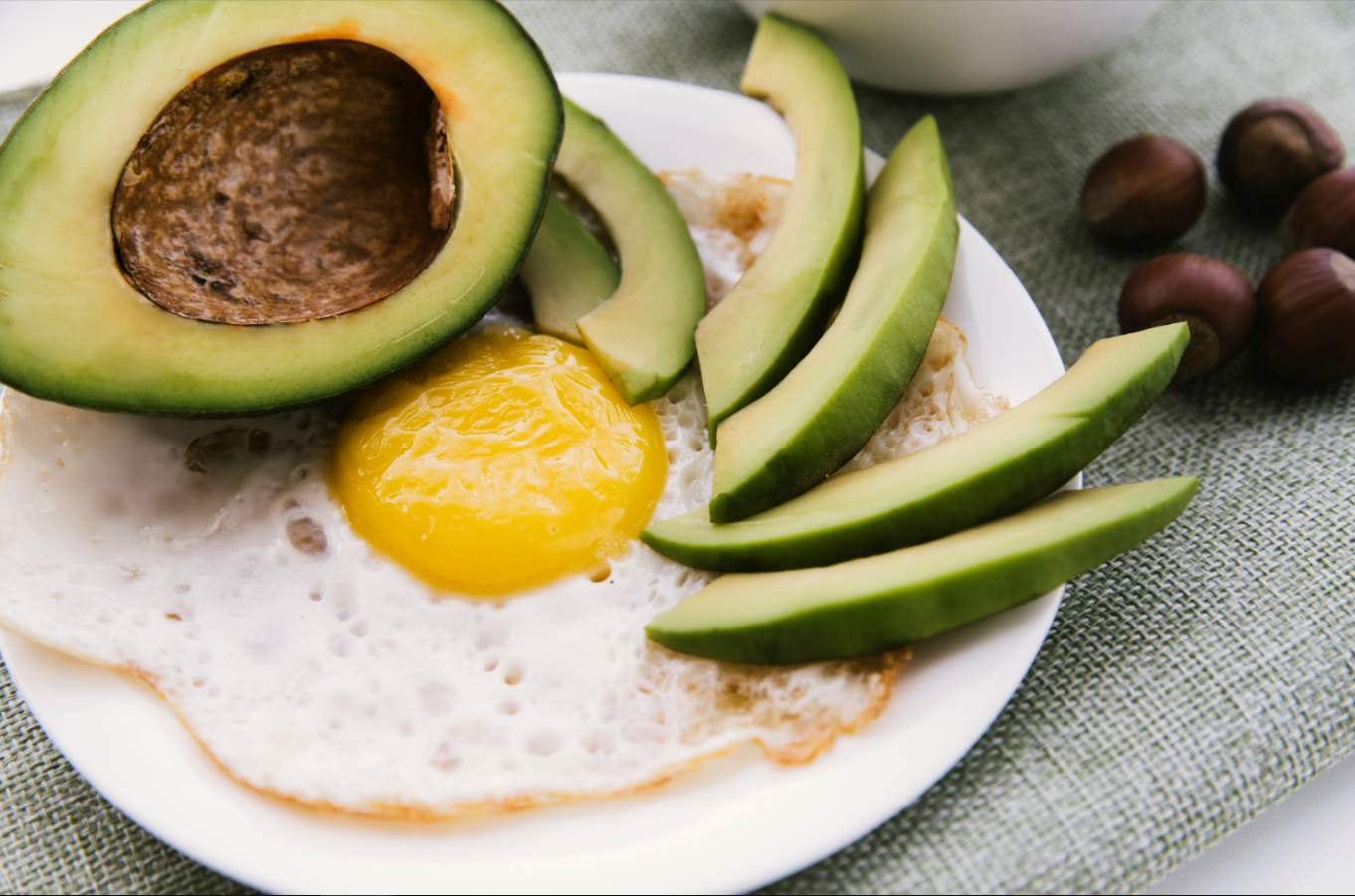
• Vitamin D is fat-soluble, which means your body absorbs it much better when paired with healthy fats. Get your morning sunlight & healthy fats (ghee, egg yolk, nuts & seeds, avocado, olive oil, yogurt)
• Another important point is that magnesium-deficient body cannot utilize Vitamin D properly, no matter how much you consume. (pumpkin seeds, almonds, makhna, banana, spinach, oats, dark chocolate )
• K2 helps Vitamin D direct calcium to the bones, not the bloodstream. (kimchi, natto, sauerkraut, ghee, cheese (aged)
• Zinc works with Vitamin D receptors and boosts mood regulation (eggs, chickpeas, pumpkin seeds, paneer, lentils, chicken)
In short, sunlight may spark Vitamin D production, but nutrients like healthy fats, magnesium, K₂, and zinc are what make it truly effective
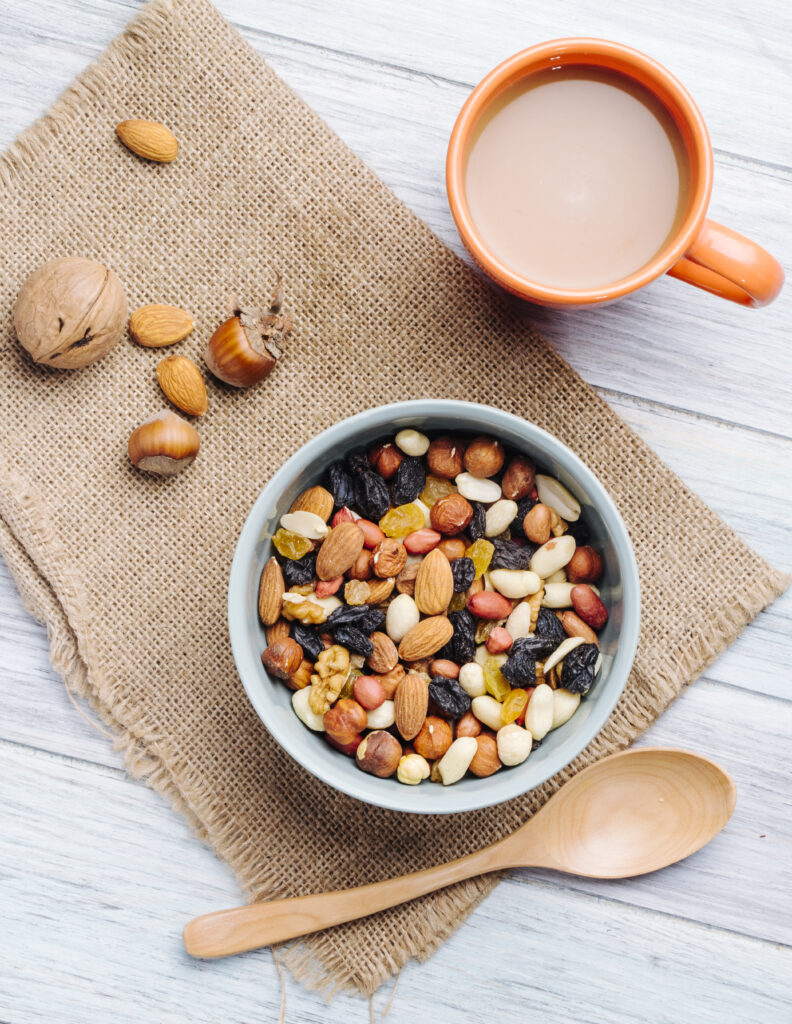
Nuts and seeds are some of the most powerful yet underrated winter immunity boosters.
• Almonds and sunflower seeds supply vitamin E, a key antioxidant that protects immune cells, while walnuts offer inflammation-fighting omega-3s that also help stabilize mood during darker months.
• Cashews and pumpkin seeds provide zinc and magnesium — minerals essential for activating vitamin D and strengthening the body’s defence system.
• Flaxseeds support gut health and hormone balance, both of which influence immunity, and sesame seeds add warmth, calcium, and healthy fats that nourish the body in colder weather.
A small daily mix of these nuts and seeds can significantly enhance winter resilience, energy, and overall well-being.
Let’s dig into the most controversial and misunderstood food – Ghee
Once dismissed as “fattening,” ghee has now reclaimed its place as a nutritional powerhouse, especially in the colder months.
• Modern research is catching up with what Ayurveda has long known: when consumed in moderation, ghee nourishes the body, strengthens immunity, and supports digestion
• During winter, the body’s metabolism naturally slows, and digestion becomes heavier. Ghee helps by lubricating the intestinal lining and stimulating digestive enzymes, which improve nutrient absorption and keep the gut balanced which is a vital foundation for immunity.
• Rich in butyric acid, a short-chain fatty acid that feeds healthy gut bacteria, ghee also helps reduce inflammation and supports a stronger immune response.
• What truly sets ghee apart is its fat-soluble vitamin profile it’s a natural carrier of Vitamins A, D, E, and K, which are crucial for hormone balance, bone health, and immune defence. These vitamins need healthy fat to be absorbed properly, and ghee provides just that.
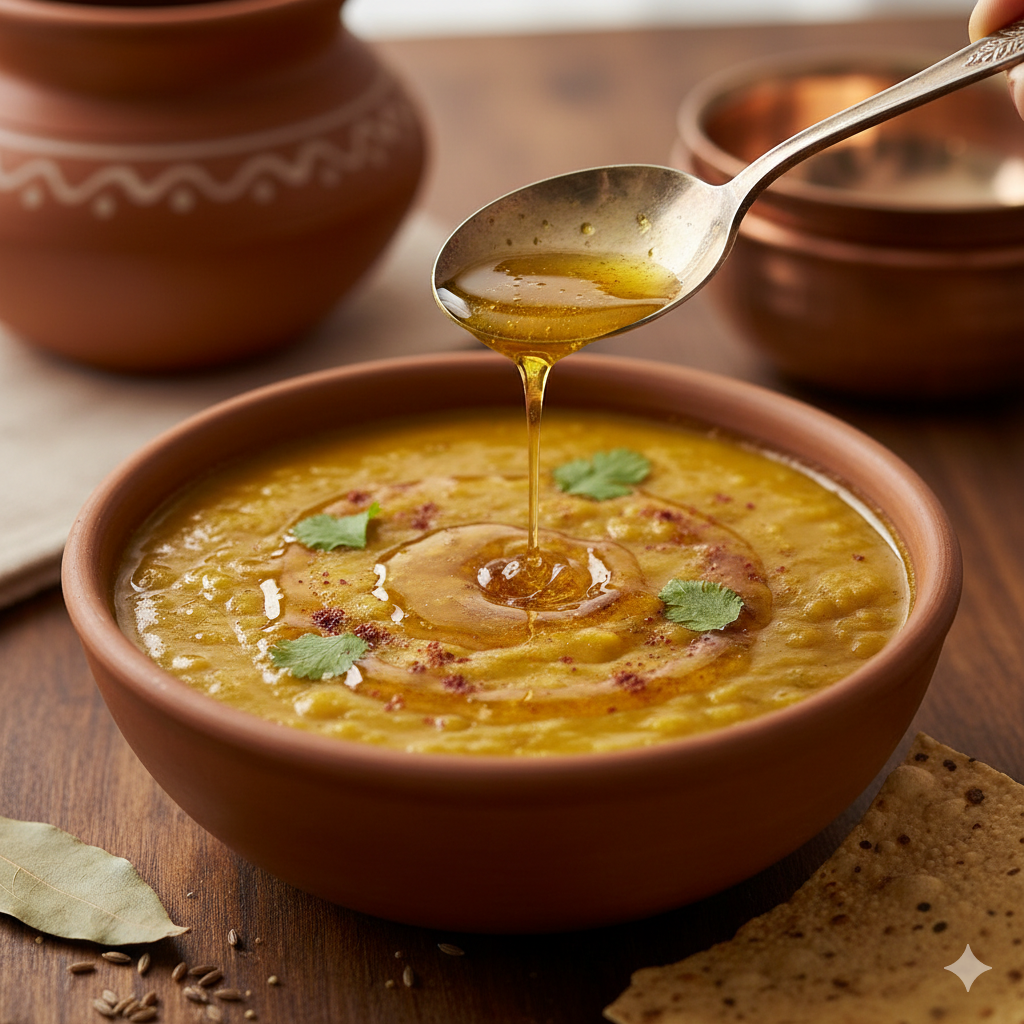
The key, as always, lies in moderation and quality. Opt for pure, grass-fed or A2 cow ghee, and use about 15 ml depending on your activity level.
• Add a spoonful to warm dal, khichdi, or rotis
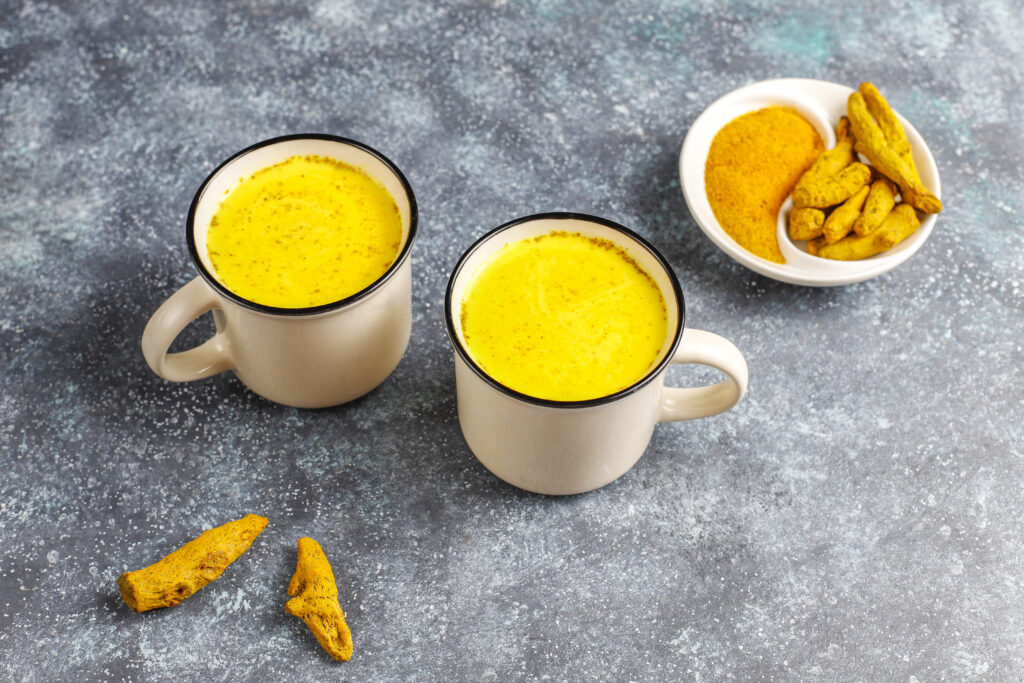
• Stir into morning coffee or haldi milk
• Use as a base for light sautéing instead of refined oil
Making Immunity-Boosting Foods Fun for Kids
Adults incorporate fair share of healthy habits and food into their daily life, but children often resist healthier nutrient-dense foods. So here’s a fun way to make them immune this winter:
• Start with ghee and nuts, two winter essentials. Drizzle a teaspoon of ghee over chapatis or mix it into warm dal and rice as kids won’t even notice, but their digestion and immunity will thank you. Turn mixed nuts and seeds into energy laddoos or nut butter spreads, blending almonds, walnuts, and flaxseeds with a touch of honey or cocoa.
• For Vitamin D-friendly meals, serve scrambled eggs cooked in ghee or fortified milkshakes paired with banana or oats to enhance absorption. You can also hide pumpkin or sunflower seeds smoothie bowls, or homemade granola bars.
• Soups and dals are another easy win in winter -add a pinch of turmeric, garlic, and ghee for both warmth and immune support. For fussy eaters, try cheese-and-veggie sandwiches, hummus toast, guacamole toast, spinach parathas, or paneer rolls, which blend immunity-boosting nutrients with kid-friendly flavours.
• And finally, keep it colourful. Kids eat with their eyes first, so bright fruit bowls, rainbow salads can make even the most nutrient-packed foods feel like a treat.
As a nutrition and wellness coach, I’ve seen how small, consistent food choices be it a spoonful of ghee, a handful of nuts or an extra few minutes of sunlight, can completely transform energy, digestion, and immunity through the colder months.