



In conversation with Prof. Dr. Arju Chand Singh
What are the most common gynaecological issues you see among women and what early signs should women not ignore?
In my daily practice, the same health concerns appear repeatedly among women from both urban and rural Nepal. The good news is that most of these conditions are very treatable, especially when detected early.
The most common problems include
• Menstrual disorders
• Vaginal and reproductive infections.
• Pelvic organ prolapse (uterus coming down)
• Fibroids
• Polycystic Ovary Syndrome (PCOS)
• Cervical cancer
• Infertility
Early warning signs women should never ignore include
• Periods suddenly becoming very heavy or very irregular
• Bleeding between periods or after menopause
• Persistent foul-smelling discharge
• Continuous lower abdominal or pelvic pain
• Pain during intercourse
• Any breast lump or unusual change
Many women suffer through painful periods or pelvic pain thinking it’s ‘normal.’ At what point does ‘discomfort’ become a red flag that requires a specialist’s visit?
Mild cramps for a day or two during menstruation can be normal. However, pain becomes a medical concern when
• It forces you to miss work, school, or household duties
• Regular painkillers give little or no relief
• Pain starts many days before the period or continues after it ends
• You experience pelvic pain even when not menstruating
• Intercourse becomes painful
• Symptoms worsen with each passing year
• Pain is so severe it causes vomiting, fainting, or extreme weakness
What are the non-negotiable reproductive health checks every woman should have in her 20s, 30s, and 40s?
A woman’s health priorities change with age, but preventive care remains essential throughout life.
In your 20s
This is the decade to understand your body and establish healthy reproductive habits.
• Seek evaluation for irregular periods or hormonal symptoms
• Start cervical cancer screening when advised by your doctor
• Discuss contraception or pregnancy planning if needed
• Learn breast self-awareness
In your 30s
This stage often brings fertility planning and long-term health focus.
• Continue regular cervical screening
• Seek early evaluation if pregnancy does not occur after trying
• Monitor blood pressure, weight, and sugar levels
• Maintain regular breast checks
In your 40s
This decade focuses strongly on early detection and hormonal transition.
• Begin mammography when recommended
• Continue cervical screening
• Discuss symptoms of perimenopause such as irregular cycles, sleep disturbance, or hot flashes
• Monitor bone health, diabetes risk, and cardiovascular health
Preventive visits often detect problems before symptoms even begin.
For some of the common conditions you mentioned earlier, when do they require surgical treatment, and how does laparoscopic surgery help in those cases?
Surgery is usually recommended when medicines fail to control symptoms or when a condition begins affecting daily life or fertility. Situations where surgery may be needed include:
• Large or symptomatic fibroids
• Persistent ovarian cysts
• Severe endometriosis
• Pelvic organ pro-lapse affecting normal activity
• Certain causes of infertility
• Ectopic pregnancy (which requires urgent treatment)
Today, many of these procedures can be performed using laparoscopic (keyhole) surgery.
This modern approach offers
• Much smaller incisions
• Less postoperative pain
• Faster recovery
• Shorter hospital stays
• Minimal visible scarring
• Earlier return to normal life
For many women, this has made gynaecological surgery far safer and less intimidating than in the past. Today, many gynaecological surgeries that previously required large cuts can now be done laparoscopically. However, the safest method is always chosen based on the individual case, the goal is not the smallest incision, but the safest outcome. The final choice depends on the patient’s condition, size of the problem, urgency, and the surgeon’s judgement.
What daily habits or lifestyle changes can women adopt to maintain good reproductive and hormonal health?
Women’s hormonal health is strongly influenced by everyday habits. Simple but powerful steps include
• Eating balanced home-cooked meals rich in vegetables, lentils, fruits, and iron sources
• Limiting excessive sugar and processed foods
• Walking, yoga, or exercising regularly
• Getting adequate sleep each night
• Managing stress through relaxation, prayer, or meditation
• Avoiding smoking and limiting alcohol
• Avoiding unnecessary internal vaginal products or home remedies
Consistency in daily lifestyle often prevents many future reproductive problems.
Many women delay visiting a gynaecologist due to fear or hesitation. When is the right time for a woman to have her first gynaecological check-up?
A woman should not wait until marriage or pregnancy to meet a gynaecologist.
She should consult
• If periods are very painful, heavy, or irregular
• If she has persistent discharge, itching, or pelvic pain
• When becoming sexually active and needing contraception advice
• When planning pregnancy
• When routine cervical screening is advised
For teenagers, the first visit is usually educational and reassuring. A physical examination is not always necessary.
As a gynaecologist, if you could give one piece of ‘Smart Advice’ to every woman reading this March issue, what would it be?
My strongest advice is simple
“Never normalise persistent pain, heavy bleeding, or unusual symptoms.”
Your body always signals when something needs attention.
Protect your health by
• Tracking your menstrual cycle
• Seeking medical advice early instead of waiting
• Attending regular screening visits
• Speaking openly and honestly with your doctor
• Keeping intimate hygiene simple and natural
Early consultation does not just treat disease, it protects your fertility, your confidence, and your long-term wellbeing.
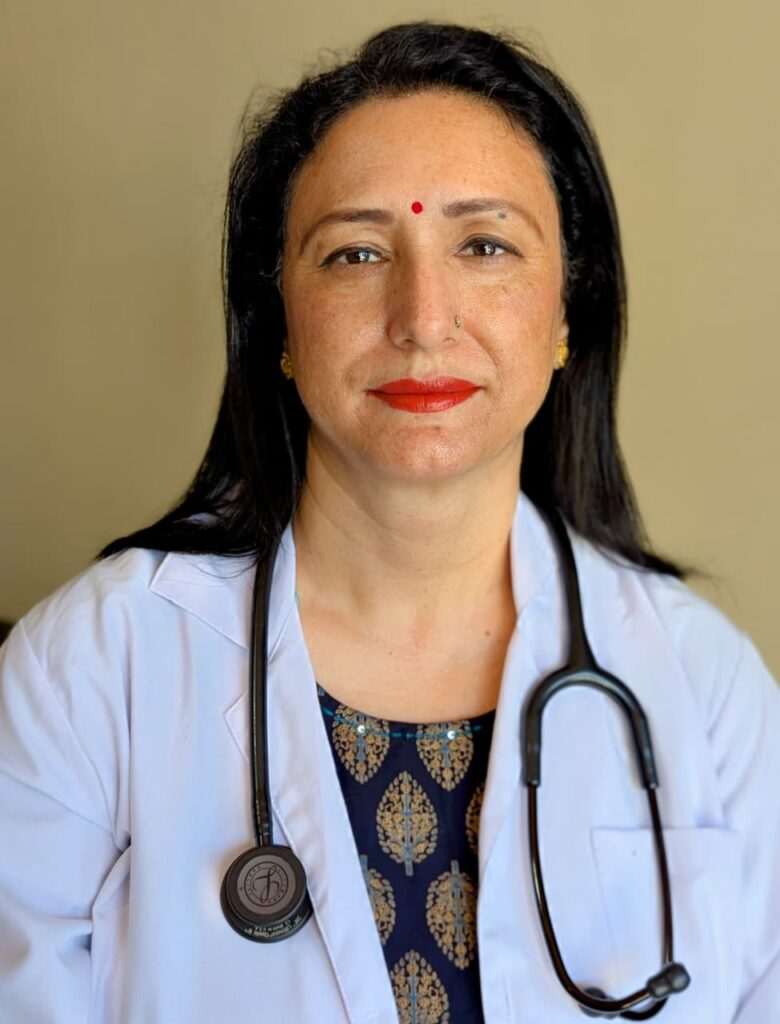
Dr Arju Chand Singh is a senior obstetrician–gynaecologist and Principal Consultant at Nepal Mediciti with over 30 years of experience in women’s healthcare. She specialises in high-risk pregnancies, complex gynaecological conditions, and advanced minimally invasive surgery, and is known for her calm, compassionate patient care. A former Commandant in the Nepal Army Medical Corps and United Nations medical officer, she combines clinical excellence with national service and leadership.
Dr Singh remains committed to safe, respectful, and accessible healthcare for women at every stage of life.