


By Sonal Talgaonkar
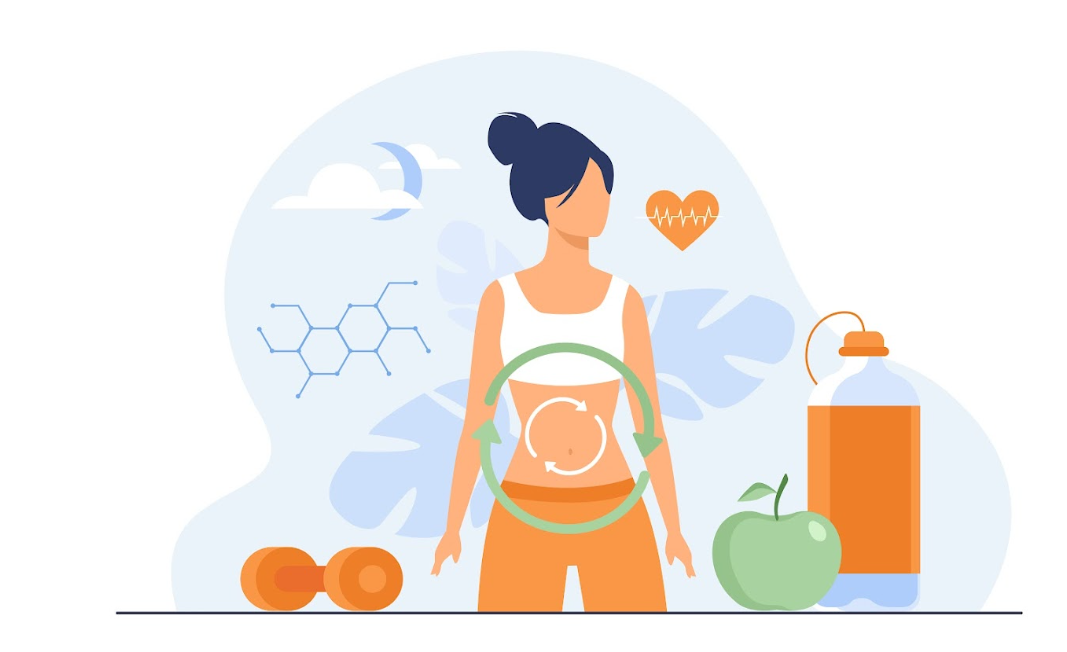
Most of us think of gut health only when something feels wrong either bloating, acidity, or discomfort. But the truth is, the gut influences far more than digestion.
From immunity to mood and energy, it quietly shapes how we feel every single day.
The gut does far more than break down food. It influences immunity, hormone balance, mood regulation, inflammation, and even skin health.
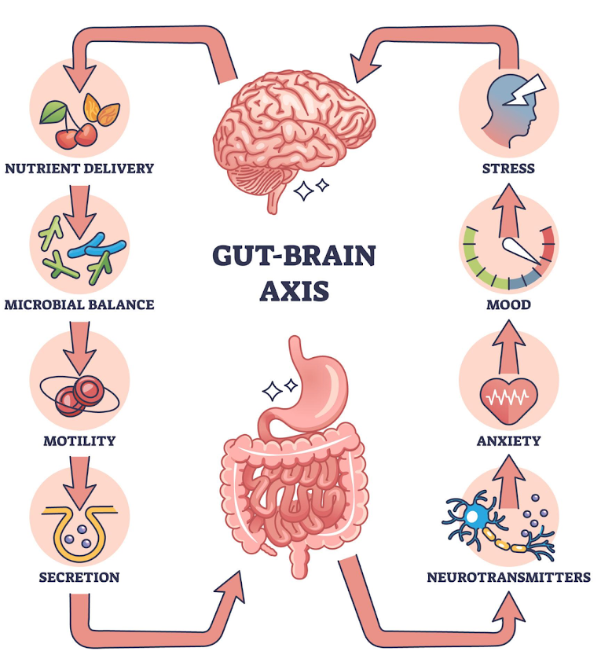
Nearly 70% of the immune system resides in the gut, and it communicates constantly with the brain through the gut–brain axis.
When the gut is balanced, energy feels stable, immunity improves, and mood becomes more resilient. When it’s not, the effects ripple through the entire body.
Gut Health Checklist: Are You Supporting Your Microbiome?
Check how many of these you can say “yes” to:
Daily Habits
☐ I eat meals at consistent times
☐ I include fibre from vegetables or whole foods daily
☐ I consume at least one probiotic or fermented food
☐ I drink enough water
☐ I move my body gently each day
Stress & Lifestyle
☐ I get adequate sleep
☐ I don’t eat while rushed or overly stressed
☐ I manage stress in some form (walk, breathing, journaling)
☐ I don’t rely heavily on caffeine to function
Red Flags to Watch
☐ Frequent bloating or gas
☐ Constipation or loose stools
☐ Brain fog or fatigue
☐ Strong sugar cravings
☐ Skin flare-ups
If several red flags are checked and daily habits are not, your gut may need attention.
What is the gut microbiome, and how does it affect immunity, mood, and energy?
The gut microbiome refers to the trillions of bacteria and microorganisms living in our digestive tract. Think of it as an internal ecosystem.
A diverse, balanced microbiome helps regulate immune responses, produces certain vitamins, supports digestion, and even influences neurotransmitters like serotonin, which affects mood.
An imbalanced microbiome, on the other hand, can contribute to inflammation, fatigue, frequent infections, anxiety, and digestive discomfort.
What are common signs of an imbalanced gut?
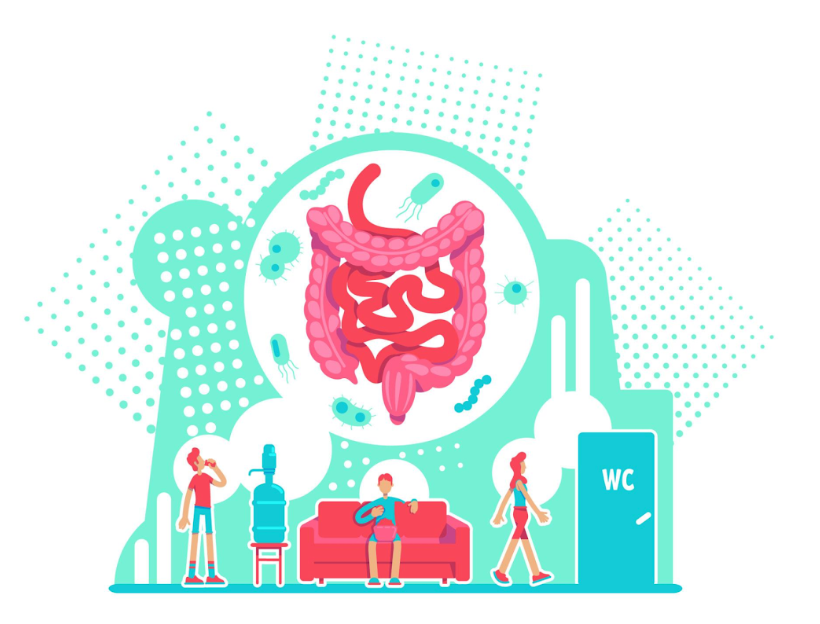
Some signs are obvious, others subtle. These include:
- Frequent bloating, gas, or acidity
- Constipation or loose stools
- Food sensitivities
- Brain fog or low energy
- Skin issues like acne or eczema
- Sugar cravings
- Frequent colds or low immunity
As a nutritionist, I often see gut imbalances show up first as fatigue or mood swings before digestive symptoms even appear
What habits commonly damage gut health today?
Modern lifestyle plays a major role. Chronic stress, irregular meal timings, ultra-processed foods, excess sugar, lack of fibre, poor sleep, overuse of antibiotics, and constant snacking all disrupt gut balance. Even eating while distracted or rushed can impair digestion because the body digests best in a relaxed state.
How long does gut recovery take?
The gut begins responding to changes within days, but meaningful healing often takes several weeks to months, depending on the extent of imbalance.
Consistency matters more than perfection. I usually tell clients to think of gut repair as rebuilding a garden, diversity and patience are key.
If someone wants to reset their gut, where should they start?
Start simple:
- Eat at regular times
- Increase fibre gradually
- Add one probiotic and one prebiotic food daily
- Stay hydrated
- Reduce ultra-processed foods (this makes a big difference)
- Prioritise sleep and stress regulation
You don’t need an extreme detox. Supporting digestion gently and consistently is far more effective.
Which foods help, and which should be limited?
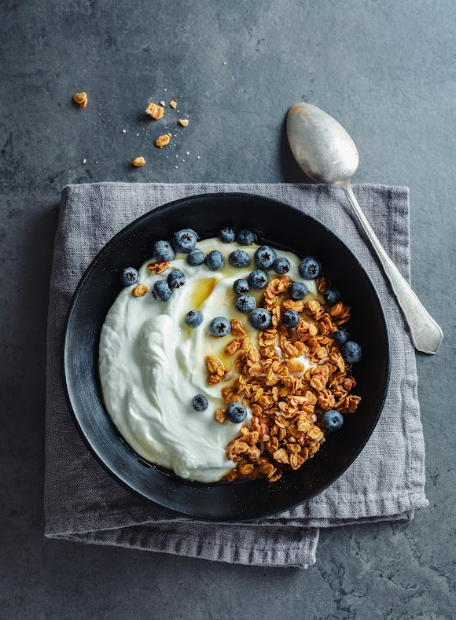
Gut-friendly foods:
- Curd, kefir, fermented foods
- Fruits and vegetables (especially leafy greens)
- Oats, millets, whole grains
- Lentils and legumes
- Nuts and seeds
- Garlic, onions, ginger
Foods to limit:
- Excess sugar
- Highly processed snacks
- Artificial sweeteners (in excess)
- Frequent alcohol
- Deep-fried foods
Balance is key with occasional indulgence doesn’t damage the gut, but daily patterns do.
Are probiotics necessary, or can diet alone support gut health?
Most people can significantly improve gut health through diet and lifestyle alone. Probiotics can be helpful after antibiotics, digestive infections, or persistent symptoms but they are not a magic solution. Without fibre and proper nutrition, probiotics won’t thrive. Food first, supplements only when needed and ideally under guidance.