


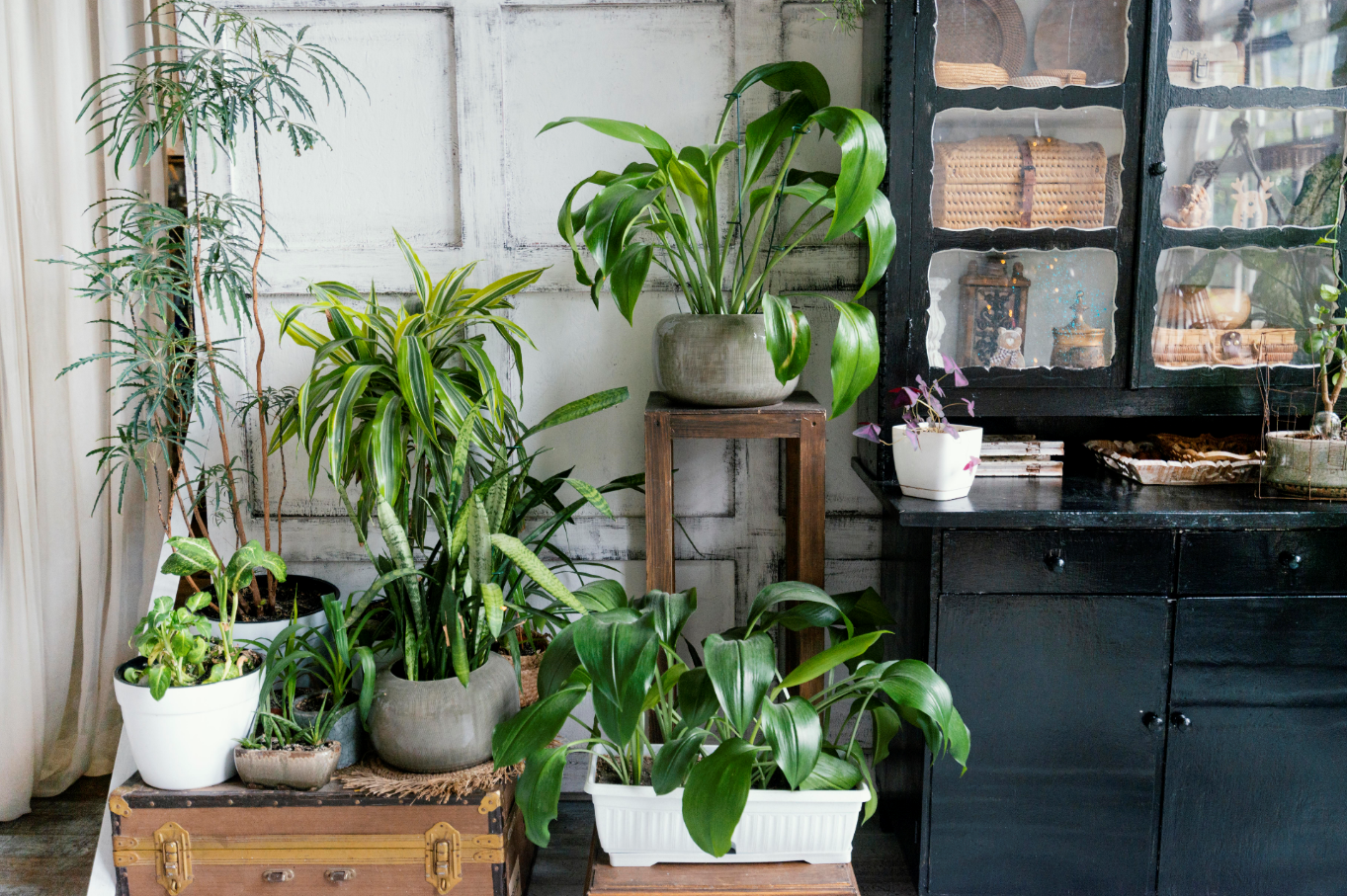
In today’s busy city life, it’s important to have a little space of your own, either small or large, to relax. Even a small or large space can be turned into a mini retreat, a green retreat that welcomes you home from the concrete and noise of the city. Picture a place where sunlight passes through leaves, gentle breezes brush past plants, and nature makes you feel calm. Beyond elevating your interior for your home; it will be your personal space to rest and recharge. With some planning, a little care, and creativity, even a small or large space within your home or apartment can become your peaceful green oasis.
The Benefits of a Home Retreat
The pursuit of a “green oasis” is more than just a passing design trend; it’s a necessity for well-being in the urban environment. Cities, while dynamic, are often sources of stress due to constant noise, traffic, and a lack of connection with the natural world. By introducing plants and natural elements into your home, you are actively mitigating these stressors.
” Cities, while dynamic, are often sources of stress due to constant noise, traffic, and a lack of connection with the natural world. By introducing plants and natural elements into your home, you are actively mitigating these stressors.”
Studies show that plants offer tangible benefits
• Improved Air Quality: Plants naturally filter common indoor air pollutants like formaldehyde and benzene, contributing to a healthier living environment.
• Reduced Stress and Anxiety: The act of tending to plants is a meditative practice that lowers cortisol levels, promoting relaxation.
• Enhanced Mood and Focus: Bringing the color green into your immediate surroundings has been linked to increased feelings of calm and concentration.
Step 1: Assessing Your Space and Light
The first, and most practical, step in creating your oasis is a honest assessment of the location you’ve chosen. Every plant has specific needs, and the success of your green retreat hinges on matching the right plant to the right conditions.
The Light Factor
• South/West-facing side: You can grow sun-loving plants like succulents, cacti, herbs (basil, rosemary), and flowering plants like geraniums.
• East-facing side: This is ideal for most popular houseplants: Fiddle Leaf Figs, Birds of Paradise, and various Pothos varieties.
• North-facing window interior corner: Don’t despair! Many hardy plants thrive here, including the Snake Plant (Sansevieria), the ZZ Plant (Zamioculcas zamiifolia), and the Cast Iron Plant (Aspidistra elatior).
The Size Factor
• Small Spaces (Window sills, shelves): Focus on vertical gardening. Use macrame hangers to suspend plants, or install floating shelves to create tiered displays. Small, dense plants like the Nerve Plant or a collection of miniature succulents work best here.
• Medium Spaces (Corners, small balconies): Incorporate one or two large, statement plants (like a Monstera or a Dracaena) to create drama and anchor the space, and then fill in with smaller plants at varying heights. Use folding furniture to maintain flexibility.
• Large Spaces (Patios, sunrooms): Use grouping to create “plant neighborhoods.” Combine different textures and leaf shapes (e.g., broad-leafed banana plants next to lacy ferns). Consider a small water feature to introduce the calming sound of trickling water.
Tip for Beginners: Start with three low-maintenance plants in the appropriate lighting for your space. Master their care before expanding your collection.
Step 2: Designing for Relaxation and Function
The ‘oasis’ isn’t just about the plants; it’s about the experience you create in the space. The design elements should promote comfort and tranquility.
• Seating: Even in a small corner, a comfortable chair, an oversized cushion, or a plush floor pillow is essential. Choose natural fibers like cotton or linen.
• Textures: Incorporate natural textures that are soft to the touch like woven planters, a smooth stone coaster, etc.
• Lighting: Harsh overhead lights disrupt the mood. Use soft, warm, diffused lighting. String lights (fairy lights) woven through plants or a single, floor lamp can transform the space in the evening.
• Containers: Don’t limit yourself to basic terracotta. Use attractive pots that fit your style, whether it’s minimalist ceramic, rustic wood, or colorful hand-painted clay. Grouping pots of different sizes but similar colors can look cohesive and stylish.
• Verticality: Utilize all vertical space. Use repurposed ladders for plant display, install wall grids, or create a simple vine trellis. This draws the eye upward and maximizes the feeling of being surrounded by nature.
Step 3: Simple, Sustainable Care
Making your green retreat work in the long run requires establishing a simple, sustainable routine.
• Watering Day: Stick your finger two inches into the soil. If it’s dry, water thoroughly until it drains out the bottom. If it’s still damp, wait a few more days.
• Clean Leaves: Dusty leaves block light, making it harder for the plant to photosynthesize. Once a month, gently wipe down broad leaves with a damp cloth or give your plants a quick shower.
• Fertilizing (Spring/Summer): Plants need food when they are actively growing. Apply a balanced liquid fertilizer every 4-6 weeks during the spring and summer months. Skip this in the darker, colder winter months when growth slows down.