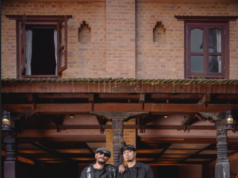


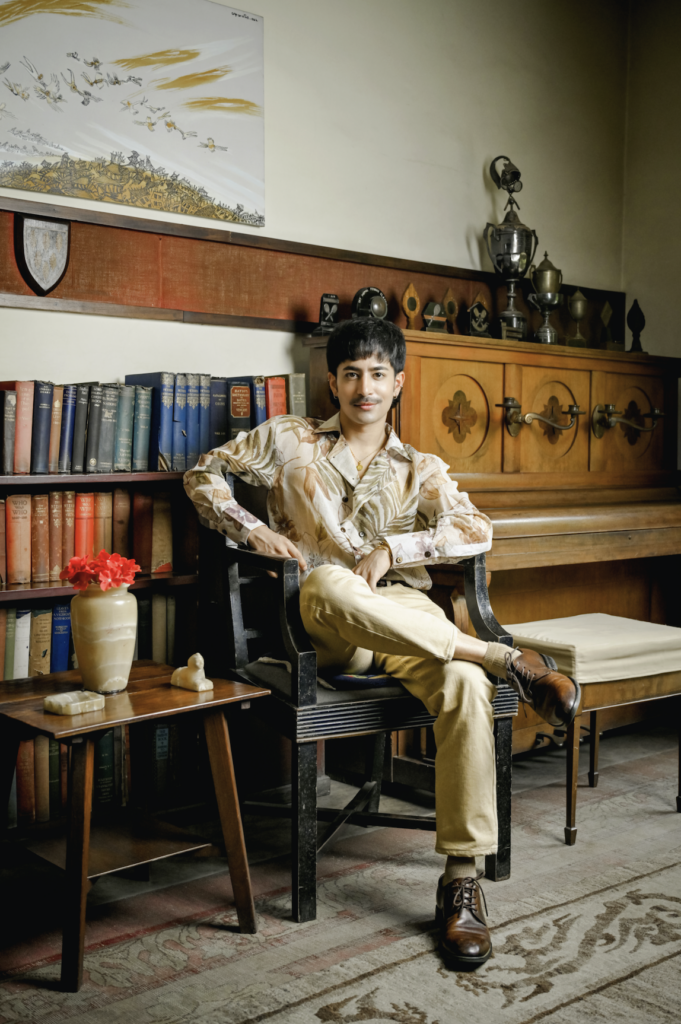
Parakram SJB Rana is a digital content creator, fashion curator, and cultural advocate who has carved a distinctive space for himself in Nepal’s creative landscape. Parakram channels his content in a stylish and meaningful way. He has built a loyal audience drawn to his unapologetic voice on queer rights, culture, and social issues in Nepal, making him not just a content creator but also a genuine changemaker of his generation, for his community.
Who or what gave you the language to understand your own identity?
I grew up at a time when there were almost no resources in books, libraries, or online to help me understand my identity, especially while I was in boarding school. Around age 15, about a year or two after realizing I was gay, Twitter was taking off and opened up a new world for me. Through it, I discovered figures like Ricky Martin, Lady Gaga, and Prabal Gurung. Seeing people live openly and successfully gave me something I had never felt before: visibility, comfort, and hope for my own future.
At what point in your life did you first feel comfortable coming out as part of queer community?
I was around 17 when I first came out to my best friend, and her understanding and support gave me the courage to tell my close friends and, eventually, my parents. The internet played a huge role in raising awareness about LGBTQIA+ identities, not just for queer people but for everyone around us. That growing understanding made these conversations less frightening and helped me open up to the people I loved.
Privilege, Legacy & The Rana Name
Did you ever feel that being a Rana made coming out feel higher-stakes?
Absolutely. People often assume privilege makes coming out easier, but it can also raise the stakes. In families where legacy, reputation, and social expectations carry great weight, there is often strong pressure to conform. Coming from a Rana family, I faced expectations around masculinity, lineage, and carrying the family name forward. For a Rana son to be openly gay and unapologetic once felt unimaginable. In time, I realized that no family name, expectation, or social pressure was worth sacrificing my truth and happiness.
Identity Struggle
Before coming out fully, have you faced the denial stage?
Many of us grew up in denial because we had little to no healthy representation. Conversations about queer identities were often mocking, stereotypical, or negative, and the word “gay” was commonly used as an insult. Naturally, many of us feared being associated with it. I spent years trying to separate my feelings from my identity, convincing myself they could not define who I was. It takes time, education, and self-compassion to stop seeing yourself through the shame society places on you.
What does self-acceptance actually feel like in your daily life now, compared to a few years ago?
Coming out does not automatically mean self-acceptance. Many people assume that once you come out, you have fully embraced who you are, but self-acceptance is a much longer and more layered journey. Even after coming out, queer people continue living in a world shaped largely by heterosexual norms, which can still feel isolating, especially in South Asia. For me, meeting other queer people, connecting with LGBTQIA+ organizations, and hearing stories like my own helped me embrace myself more fully. Even today, self-acceptance remains an ongoing journey rather than a final destination.
LGBTQ+ in Nepal & Around the World
What has travelling to other countries taught you about the acceptance spectrum? Any specific country or city where you felt most free and accepted?
Traveling has shown me how differently societies approach identity, freedom, and acceptance. Visiting Berlin was especially eye-opening. I was struck by how normalized individuality felt there, with people simply allowed to exist without constant judgment. That kind of social freedom creates healthier communities for everyone, not just queer people.
Nepal has made remarkable legal progress compared to much of South Asia, but there is still a significant gap between policy and lived reality.
Where do you feel Nepal is ahead, where are the next battles, and what gives you hope for LGBTQ+ rights in Nepal??
Nepal has made remarkable legal progress compared to much of South Asia, but the next priorities include easier access to accurate identification documents for transgender and non-binary individuals, marriage equality, and stronger anti-discrimination protections. What gives me hope is seeing queer representation reach decision-making spaces, with leaders like Bhumika Shrestha and a younger generation that is helping build a more inclusive and empathetic Nepal.
Family Moments
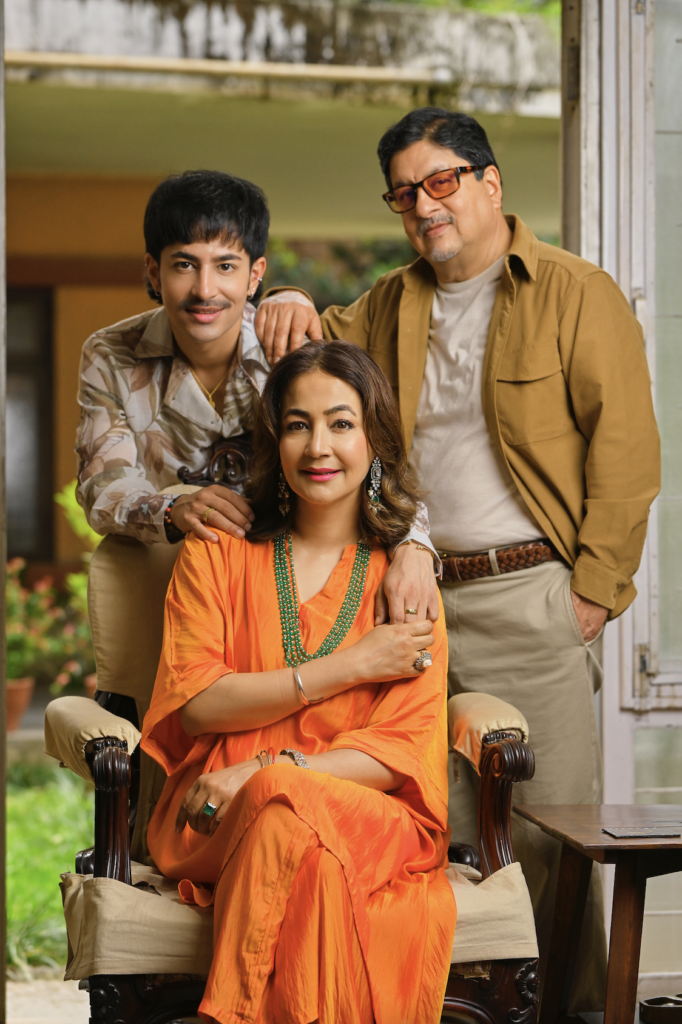
Parakram
“When parents stand confidently beside their children, it leaves very little room for shame to survive.”
When Parakram came out to you, what was your first internal reaction and has that reaction changed over time?
Dad(Upendra SJB Rana): From the moment Parakram came out, we felt proud of his courage and honesty. It takes immense strength for a child to trust their parents with something so personal. We believed it was our responsibility to stand by him completely, and that support helped him grow into his authentic self with confidence.
Mom(Sneh Rana): My first reaction was worry because I knew the world can still be unkind to the LGBTQIA+ community. But that quickly turned into admiration and pride. Seeing the courage it took for him to share his truth at 17 made me incredibly proud, and over time that pride has only grown stronger. Today, I speak about my son and his identity openly and proudly.
Acceptance only matters when it is visible. How have you shown up for Parakram, and what role do parents play in helping children flourish beyond gender norms and social expectations?
Dad: We believe support should be visible, not just spoken about privately. By standing beside Parakram openly, we hope to have helped create a community where LGBTQIA+ children feel accepted and celebrated. A parent’s support plays a vital role in building a child’s confidence and sense of self-worth.
Mom: Supporting Parakram means being present, attending queer events, and encouraging his work. Being LGBTQIA+ is not a choice, and when a child shares their truth, it is an act of trust. Parents should move beyond social expectations, love their children unconditionally, and allow them to flourish as they are.
Has Parakram’s openness about his identity changed how your family talks to each other?
Dad: Absolutely. Conversations around the LGBTQIA+ community, current events, and social issues now happen very naturally within our family, often even around the dining table when everyone is together. What makes me especially happy is seeing every generation in the family, including grandparents, participate in these discussions openly and thoughtfully. It has definitely created more awareness, openness, and honesty within the family as a whole
Mom: Parakram’s journey has sparked honest conversations among our relatives and friends as well. It has helped people ask questions, understand more, and become more accepting. I believe these open discussions are an important part of how society gradually changes.