

By Chef Sandeep Khatri
April arrives in a burst of color and life, bare branches leafing, flowers unfurling, the air shifting from winter’s chill to spring’s warm caress. But what about us? As the earth renews itself, so must we. Our bodies, after months of winter’s heaviness, crave lightness, warmth, and cellular renewal. This is where achaar (pickle) becomes our ally.
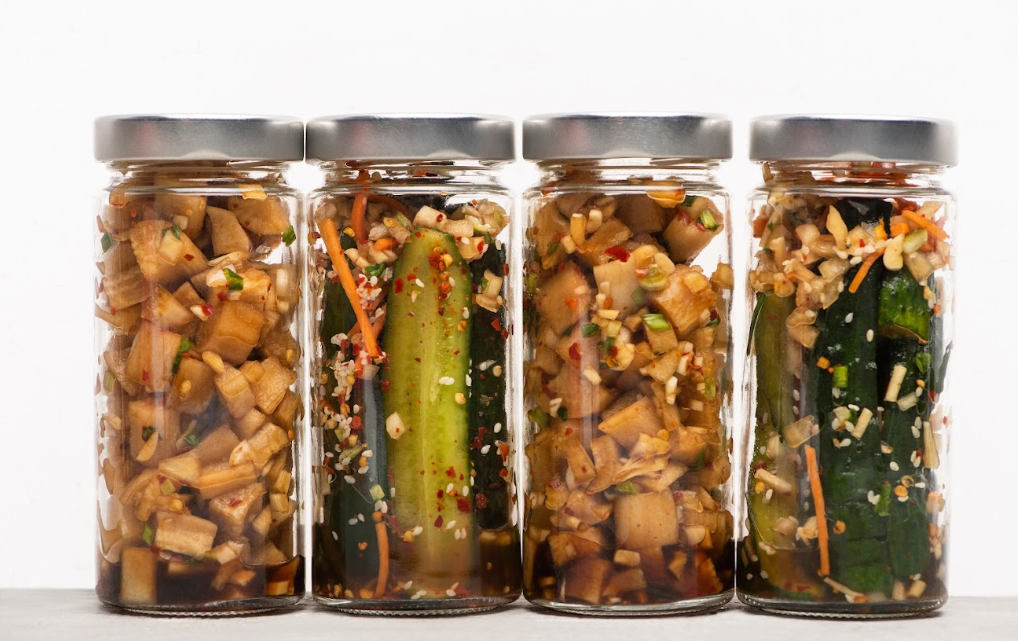
Ayurvedically, achaar (pickle) ignites Agni (digestive fire), balancing Vata and Kapha doshas that accumulate during winter, while the fermentation process creates Ojas, the vital essence of immunity and vitality. Scientifically, lacto-fermentation generates probiotics that populate the gut microbiome (where 70% of immune cells reside), increases bioavailability of minerals like iron and zinc, and produces enzymes that predigest food, reducing digestive burden. The small portion delivers concentrated nutrition precisely when the body needs gentle awakening. Like the jar transforming raw vegetables into potent medicine through patience and time, we too can allow this season to slowly, subtly evolve us one small, wise spoonful at a time.
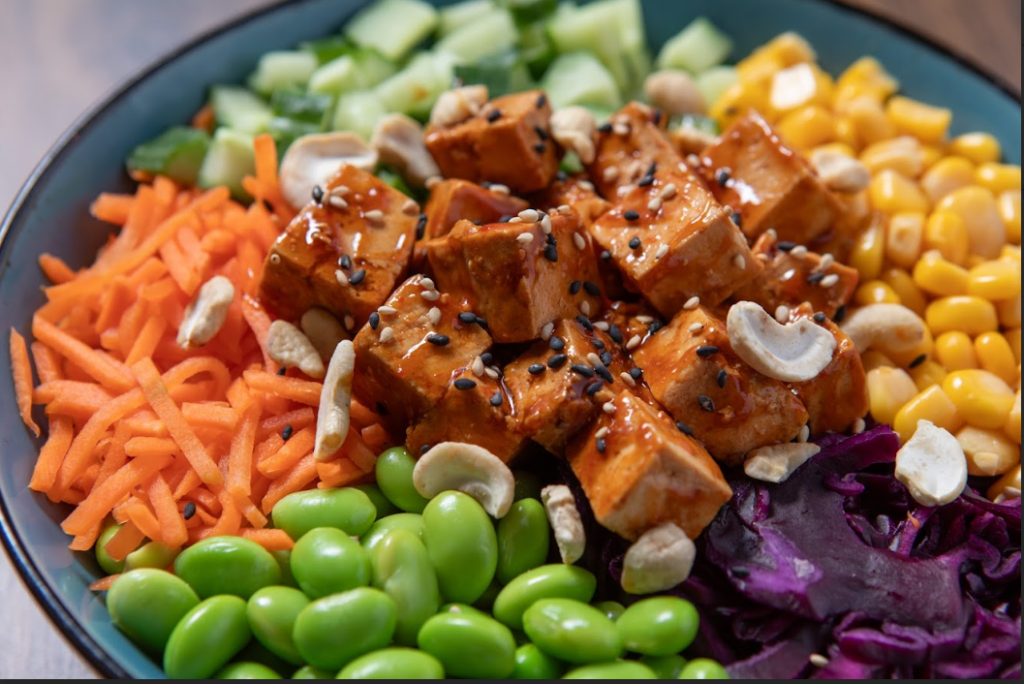
Recipe: Veggie & Tofu Achaar (Pickle)
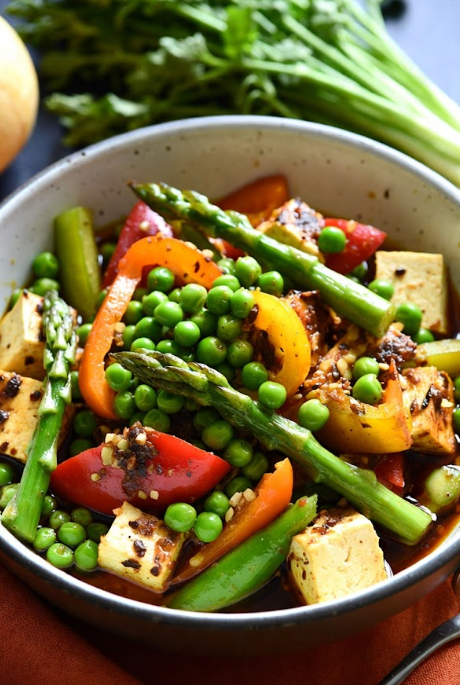
This vibrant achaar captures the essence of spring—fresh peas, tender asparagus, colorful bell peppers, and protein-rich tofu, all transformed with the wisdom of traditional Nepali pickling. It is nutrient-dense and satisfying.
Prep time: 40 minutes | Resting time: 30 minutes | Serves: 6-8 as a side
Why This Pickle is a Complete Nutrient Powerhouse
This isn’t just a condiment, it is a small meal in itself. Each ingredient brings something essential for spring renewal:
Green Peas: Plant protein, fiber, Vitamins A, C, K, iron, and magnesium for cell renewal, digestion, and immunity.
Tofu: Complete plant protein with all nine essential amino acids, plus calcium and iron for muscle repair, bone health, and sustained energy.
Carrots: Beta-carotene (Vitamin A), biotin, and fiber for eye health, skin renewal, and digestion.
Asparagus: Folate, Vitamins A, C, E, K, and chromium for detoxification, cell regeneration, and hormone balance.
Bell Peppers (red and yellow): More Vitamin C than oranges, plus Vitamins A and B6 for immunity and collagen production for skin renewal.
Zucchini: Manganese, Vitamin C, magnesium, and potassium for hydration, heart health, and easy digestion.
Cucumber: Hydration, silica, and Vitamin K for skin elasticity, joint health, and cooling for spring warmth.
Red Onion: Quercetin, sulfur compounds, and chromium for anti-inflammatory benefits and blood sugar balance.
Spinach or Spring Greens: Iron, calcium, Vitamins K, A, C, and folate for blood health, bone strength, and cellular repair.
Sesame Seeds: Calcium, iron, magnesium, zinc, and healthy fats for bone density, hormone support, and brain health.
Mustard Oil: Omega-3 fatty acids and anti-inflammatory properties for heart health, warmth for digestion, and natural preservation.
Timur (Sichuan Pepper): Antioxidants and essential oils for digestive fire, circulation, and nutrient absorption.
Ginger and Garlic: Gingerol, allicin, and anti-microbial properties for immunity, digestion, and natural detox.
Lemon Juice: Vitamin C and citric acid for immunity, iron absorption, and natural preservation.
Fenugreek Seeds: Iron, magnesium, fiber, and anti-inflammatory benefits for blood sugar balance, digestion, and warmth.
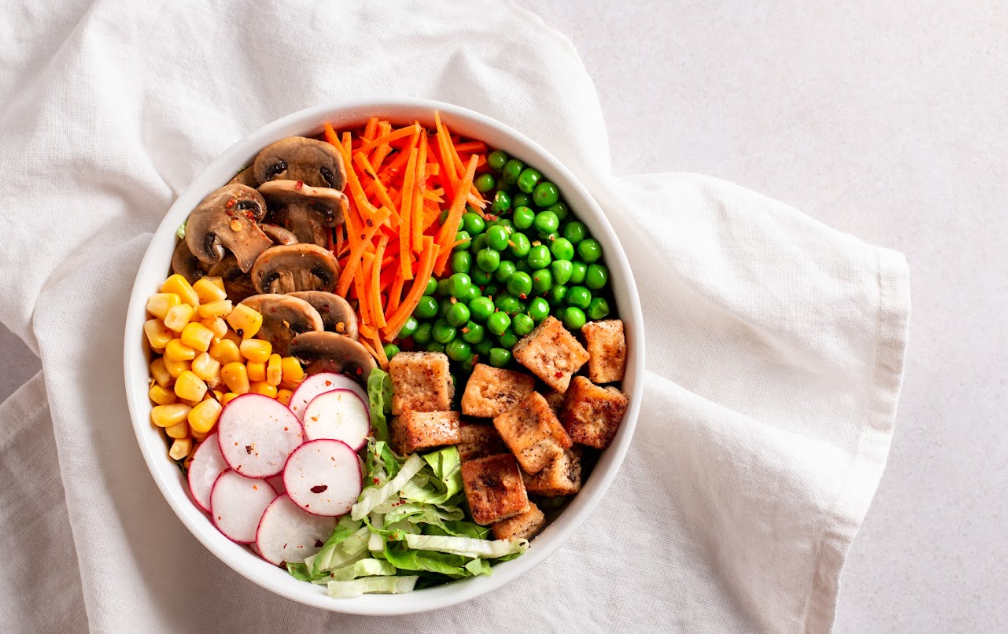
” omega-3 fatty acids and anti-inflammatory properties for heart helath, warmth for digestion, and natural preservation.”
Chef Sandeep Khatri
Ingredients
For the Vegetable and Tofu Base
- 1 cup green peas (fresh or frozen; if fresh, blanch in salted water for 2 minutes)
- 200g firm tofu (pressed, cut into 1cm cubes)
- 1 medium carrot (cut into small matchsticks)
- 100g asparagus (woody ends removed, cut into 1cm pieces)
- 1 small zucchini (cut into small dice)
- 1 small cucumber (deseeded, cut into small dice)
- 1 small red bell pepper (cut into small dice)
- 1 small yellow bell pepper (cut into small dice)
- 1 small red onion (finely sliced)
- 1-2 green chilies (finely chopped)
- 1 cup fresh spinach or spring greens (finely shredded)
- Handful fresh cilantro (roughly chopped)
- Handful fresh mint (optional, roughly chopped)
For the Nutty and Spice Base
- 4 tablespoons sesame seeds (dry roasted and ground to powder)
- 2 tablespoons peanuts or sunflower seeds (optional, dry roasted and crushed)
- 1 teaspoon ground cumin
- 1 teaspoon ground coriander
- ½ teaspoon turmeric powder
- 1 teaspoon Timur powder (Sichuan pepper)
- 1 teaspoon amchur (dry mango powder) OR juice of 1 lemon
- Salt to taste
For the Tempering (Tadka or Jhaneko)
- 4 tablespoons mustard oil
- ½ teaspoon fenugreek seeds (methi)
- 1 teaspoon cumin seeds
- 1 teaspoon black mustard seeds
- 4 cloves garlic (finely minced)
- 1 inch ginger (finely grated)
- 1-2 dried red chilies (broken)
- 8-10 curry leaves or bay leaves (optional)
” unlike traditional fermented achaar that transforms over months, this veggies and tofu achaar is a fresh pickle designed to be enjoyed within days but that does not mean it lacks the wisdom of aging”
Chef Sandeep Khatri
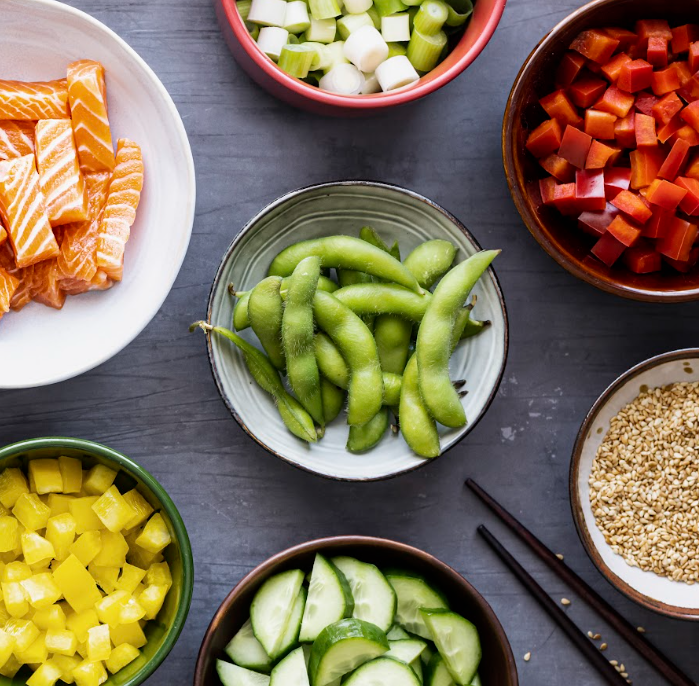
Method
Step 1: Prepare the Tofu
Press tofu between paper towels with a heavy pan on top for 15-20 minutes to remove excess water. Cut into 1cm cubes.
Optional golden step: Toss tofu with ½ teaspoon turmeric, pinch of salt, and 1 teaspoon mustard oil. Pan-fry until lightly golden. Set aside to cool.
Step 2: Prepare the Vegetables
Blanch the peas in boiling salted water for 2 minutes, then plunge into ice water. Drain well.
Similarly, blanch the asparagus for 1-2 minutes until bright green and tender-crisp, then transfer to ice bath. Drain well. Dice the carrots. For zucchini and cucumber, salt lightly and let sit for 10 minutes, then gently squeeze to remove excess water. This prevents a watery achaar. For bell peppers, onion, and spinach, use raw for freshness, color, and maximum nutrient retention. Combine all prepared vegetables (except tofu and fresh herbs) in a large bowl.
Step 3: Toast and Grind
In a dry pan over medium heat, toast sesame seeds until golden and fragrant (2-3 minutes). If using peanuts or sunflower seeds, toast separately. Cool slightly, then grind sesame seeds to a coarse powder. Crush peanuts or sunflower seeds coarsely.
Step 4: Combine the Base
To the bowl of vegetables, add:
- Ground sesame powder
- Crushed peanuts or sunflower seeds (if using)
- Ground cumin, coriander, turmeric, and Timur powder
- Amchur or lemon juice
- Salt to taste
Add cooled tofu cubes and fresh herbs. Mix gently but thoroughly.
Step 5: The Tempering
Heat mustard oil in a small pan until it just begins to smoke. Add fenugreek seeds, cumin seeds, black mustard seeds, and dried red chilies. Let them splutter for 10-15 seconds. Add minced garlic and grated ginger. Fry until golden (about 30 seconds). Add curry leaves if using. Turn off heat and immediately stir in a pinch of extra turmeric. Pour this hot tempering over the vegetable and tofu mixture.
Step 6: Rest and Marry
Wait a few minutes, then mix well. Taste and adjust salt or lemon juice. If mixture seems dry, add 1-2 tablespoons warm water. Let rest for at least 30 minutes at room temperature. For best results, cover and refrigerate for 2-3 hours or overnight. The flavor deepens with time.
Step 7: Serve and Celebrate
Bring to room temperature before serving. Garnish with extra fresh cilantro or mint. Serve a small portion alongside dal bhat, with flatbreads, as a topping for rice bowls, or enjoy on its own as a nutritious snack.
How to Age This Pickle
Unlike traditional fermented achaar that transforms over months, this Veggie & Tofu Achaar is a fresh pickle designed to be enjoyed within days but that does not mean it lacks the wisdom of aging. The secret lies in understanding that this pickle marinates rather than ferments, and its flavor journey is shorter but still profound.
For the First 24 Hours: Immediately after preparing, the achaar tastes bright and separate.
After 24-48 Hours in the Refrigerator: The magic begins. The tofu absorbs the mustard oil and spices from within. The lemon juice and salt draw out slight moisture from the vegetables, creating a light dressing that coats every piece.
After 48-72 Hours (Peak Readiness): This is the ideal window for consuming this achaar. By now, the spices have penetrated completely. The zucchini and cucumber have softened slightly while retaining structure. The tofu has transformed into a creamy, spice-infused nugget. The sesame powder has thickened the natural juices into a light, clinging coating.
After 4-5 Days: The vegetables will continue to soften, and the flavors will become more intense but also more mellow. The freshness of the spring vegetables begins to fade. While still safe to eat (if refrigerated properly.
Signs Your Pickle Has Reached Its Peak:
- The oil turns from bright yellow to a deeper, infused orange-gold
- A single spoonful tastes layered—first the tang, then warmth, then lingering spice
- The tofu is no longer white but stained turmeric-yellow throughout
- The vegetables yield slightly when bitten but are not mushy